
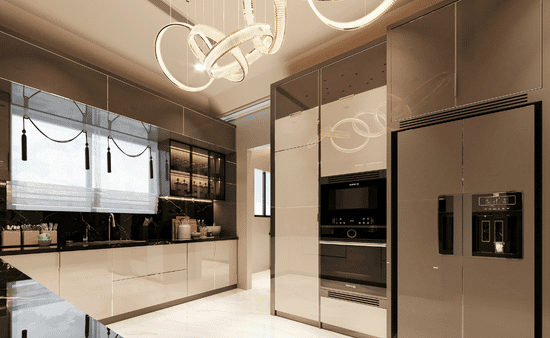
Rising energy costs and growing environmental concerns have pushed home efficiency to the forefront of real estate and renovation. Utility bills consistently take a significant bite out of household budgets, and conventional power generation continues to strain natural resources. Upgrading your living space addresses both of these challenges directly.
Smart Home Technology for Energy Savings

Automating your power usage is one of the easiest ways to cut down on waste. Modern tech allows your home to adjust to your habits without requiring constant manual input.
Smart Thermostats
Heating and cooling account for a massive portion of residential energy use. Smart thermostats learn your daily routines and automatically adjust temperatures based on when you are home, asleep, or away. By optimizing your HVAC system’s schedule, these devices prevent you from paying to heat or cool an empty house.
Smart Lighting
Switching to LED bulbs drastically reduces the electricity needed to light your rooms. Taking it a step further with smart lighting systems allows you to control fixtures remotely, set automated schedules, and install motion sensors. Lights turn off automatically when you leave a room, ensuring no wattage is wasted.
Energy Monitoring Systems
You cannot manage what you do not measure. Energy monitoring systems connect to your electrical panel to track consumption in real time. These hubs identify exactly which appliances draw the most power, helping you pinpoint phantom loads and change habits that drive up your utility bill.
High-Impact Exterior Upgrades
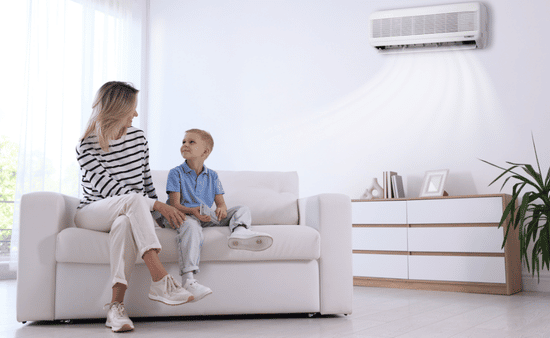
A home’s thermal envelope dictates how well it retains conditioned air. Strengthening your exterior prevents heat transfer and lightens the load on your climate control systems.
Advanced Insulation
Drafty attics and poorly insulated walls force your heating and cooling systems to work overtime. Upgrading to advanced materials like spray foam or rigid panels creates a tight, continuous seal. Spray foam expands to fill hidden cracks, while rigid panels offer high thermal resistance for exterior walls.
Energy-Efficient Windows and Doors
Old, single-pane windows are notorious for letting heat escape in the winter and seep in during the summer. Replacing them with double-pane models featuring low-emissivity (low-e) coatings reflects infrared light, keeping indoor temperatures stable. Solid-core or insulated fiberglass exterior doors further secure the perimeter against drafts.
Cool Roof Technology
Traditional dark shingles absorb immense amounts of solar heat, turning your attic into an oven. Cool roofs utilize highly reflective materials, such as specialized tiles, metal panels, or reflective coatings, to bounce sunlight away from the structure. This significantly lowers roof temperatures and reduces air conditioning demands.
Efficient Appliances and HVAC Systems

Household machines require a lot of electricity and gas to function. Replacing aging equipment with modern, optimized units yields immediate financial returns.
ENERGY STAR Appliances
When upgrading refrigerators, dishwashers, or laundry machines, look for the blue ENERGY STAR label. These certified appliances meet strict efficiency guidelines set by the Environmental Protection Agency. They consume less water and electricity than standard models, delivering the same performance at a fraction of the operating cost.
High-Efficiency HVAC Systems
If your air conditioner or furnace is over a decade old, it is likely wasting energy. Modern HVAC systems boast high Seasonal Energy Efficiency Ratio (SEER) ratings, meaning they produce more cooling or heating per unit of energy consumed. Heat pumps are particularly effective, as they transfer heat rather than generating it, providing highly efficient climate control year-round.
Tankless Water Heaters
Traditional water heaters constantly expend energy to keep a large tank of water hot 24/7. Tankless water heaters provide a smarter alternative by heating water directly on demand. They flash-heat water only when you turn on the tap, eliminating standby energy loss entirely.
Renewable Energy Solutions
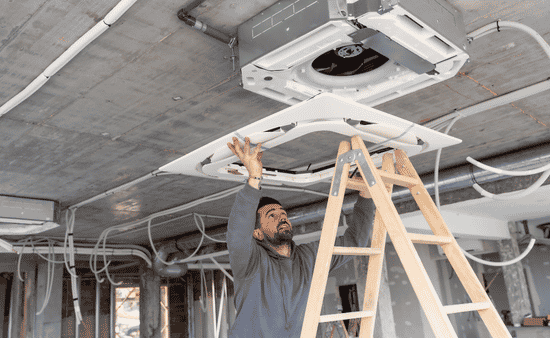
Producing your own clean power insulates you from volatile utility rates and grid outages.
Solar Panels
Rooftop solar installations convert sunlight directly into usable electricity. While the upfront installation requires a financial commitment, federal tax credits and long-term utility savings make it highly lucrative. Pairing your panels with a solar battery backup in Utah ensures you have reliable power stored for nighttime use or during grid blackouts.
Geothermal Systems
Geothermal heat pumps tap into the stable temperatures found just a few feet below the earth’s surface. By circulating fluid through underground pipes, these systems exchange heat with the earth, providing hyper-efficient heating in the winter and cooling in the summer.
Practical Tips for Everyday Energy Savings
You do not need a massive renovation budget to start saving energy today. Small behavioral changes and routine upkeep make a noticeable difference.
Behavioral Changes
Unplug electronic devices and small appliances when they are not in use to stop vampire energy drains. During the day, open your blinds to rely on natural sunlight instead of flipping on overhead fixtures. Adjusting your thermostat by just a few degrees can also lead to significant annual savings.
Regular Maintenance
Keep your equipment running at peak performance. Schedule annual HVAC tune-ups and replace air filters regularly so your system does not have to work harder to push air. Walk around your home and use weatherstripping or caulk to seal small drafts around window frames and door jambs.
Conclusion
Making your house more efficient is a layered process. You can start small with smart thermostats and LED bulbs, or dive into major improvements like solar panels and advanced insulation. Every upgrade reduces your environmental impact and keeps more money in your bank account month after month.