
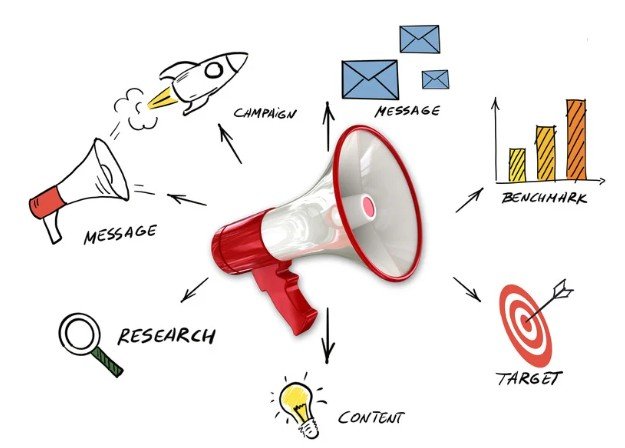
Traditional billboards once dominated the advertising landscape, but in 2026, brands are no longer relying on static visuals alone to capture attention. Today’s audiences are digital-first, highly selective, and constantly exposed to content across multiple platforms. To stand out, businesses must embrace creativity, technology, and personalization in their advertising strategies.
The Shift from Visibility to Engagement
Modern advertising is no longer just about being seen—it’s about being remembered and interacted with. Consumers expect brands to offer value, entertainment, or emotional connection within seconds. This shift has pushed marketers to move beyond traditional placements and invest in immersive experiences.
Interactive content, augmented reality filters, and gamified ads are becoming powerful tools. Instead of passively viewing an advertisement, audiences now engage with it, shaping how they perceive the brand.
Data-Driven Personalization
One of the most impactful advertising strategies in 2026 is hyper-personalization. With advanced analytics and AI-driven insights, brands can now tailor ads to individual preferences, behaviors, and even real-time contexts.
Rather than broadcasting a single message to millions, companies are creating thousands of variations of the same campaign. This ensures relevance at every touchpoint—whether it’s a social media ad, a search result, or a video recommendation.
The result is higher engagement, improved conversion rates, and stronger brand loyalty.
Social Media as a Storytelling Platform
Social media continues to evolve from a communication channel into a full-scale storytelling ecosystem. Short-form videos, live streams, and interactive posts allow brands to build narratives rather than just push promotions.
In 2026, successful advertising strategies focus on authenticity. Audiences prefer behind-the-scenes content, real customer experiences, and relatable storytelling over polished corporate messaging. Influencer collaborations also remain effective, but only when they feel genuine and aligned with brand values.
Experiential and Outdoor Innovation
Even in a digital world, physical experiences still matter. However, outdoor advertising has transformed significantly. Instead of static posters, brands are experimenting with dynamic installations, projection mapping, and real-time content updates.
Some campaigns integrate physical movement with digital triggers—allowing passersby to interact with ads using their smartphones or gestures. A growing trend includes mobile branding solutions like vehicle-based campaigns, where car wrapping turns everyday transportation into moving advertisements that reach diverse audiences across cities.
These experiential approaches blur the line between advertising and entertainment, making brand interactions more memorable.
The Rise of AI-Generated Campaigns
Artificial intelligence is reshaping how campaigns are conceptualized and executed. From generating ad copy to designing visuals and predicting audience response, AI tools are streamlining the entire creative process.
Marketers can now test multiple campaign variations instantly, optimizing in real time based on performance data. This reduces guesswork and allows for faster, more efficient decision-making.
AI also enables predictive advertising—helping brands anticipate consumer needs before they are even expressed.
Sustainability as a Messaging Strategy

Modern consumers are more conscious of environmental and social impact than ever before. As a result, advertising strategies in 2026 increasingly highlight sustainability, ethical sourcing, and corporate responsibility.
Brands that integrate genuine sustainability efforts into their messaging tend to build stronger trust. However, transparency is critical—audiences can quickly detect superficial or misleading claims.
Omnichannel Integration
A successful advertising strategy is no longer confined to a single platform. Instead, brands must create seamless omnichannel experiences that connect digital, physical, and social touchpoints, helping customers build trust and even build emotional resilience through consistent, supportive brand interactions.
For example, a user might discover a product through a social media ad, research it via a website, and later encounter a related experience in a physical store. Each interaction reinforces the message, creating a cohesive brand journey.
In Conclusion
Advertising in 2026 is defined by innovation, interactivity, and intelligence. Brands that rely solely on traditional billboards risk being overlooked in an increasingly competitive landscape. Instead, success comes from blending data-driven personalization, immersive experiences, AI-powered creativity, and omnichannel storytelling.
The future of advertising is not about shouting louder—it’s about connecting smarter, deeper, and more meaningfully with audiences everywhere.