

Bail serves a vital function in the criminal justice system. It acts as a financial agreement that allows a defendant to remain free while awaiting trial, serving as a guarantee that the individual will return for all mandated court appearances. When a judge grants bail, it comes with a specific set of rules and expectations.
Types of Bail Violations

When an individual is released on bail, the court outlines strict requirements. A violation occurs when any of these terms are ignored or broken.
Failure to Appear (FTA)
The most common form of bail violation is failing to appear in court. When a judge schedules a hearing, attendance is mandatory. People miss court dates for various reasons, ranging from simple forgetfulness and transportation issues to intentionally fleeing the jurisdiction. Regardless of the intent, the court treats a missed appearance as a major breach of the bail agreement.
Violating Conditions of Release
Courts rarely release individuals on a simple promise to return. Judges typically impose specific conditions of release designed to protect the community and ensure compliance. Common requirements include mandatory drug and alcohol testing, travel restrictions, and strict no-contact orders regarding alleged victims or co-defendants. Ignoring a travel ban or failing a court-ordered drug test constitutes a direct violation of the release terms.
Committing New Crimes While on Bail
Being arrested for a new offense while already out on bail compounds an individual’s legal troubles significantly. The criminal justice system views a subsequent arrest as proof that the defendant is a potential threat to public safety. This new charge not only initiates a separate legal battle but immediately invalidates the standing bail agreement from the initial case.
Legal Consequences of Bail Violations
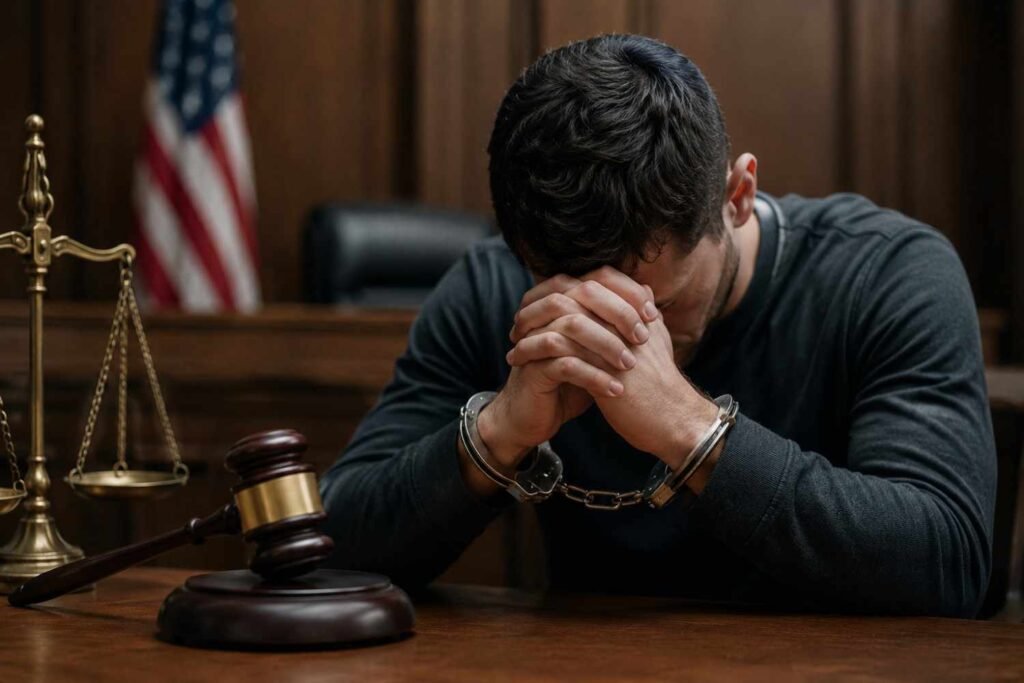
The court system responds swiftly and harshly to any breach of a bail agreement. The legal fallout can drastically alter the course of a defendant’s life and their ongoing case.
Immediate Re-arrest and Bail Revocation
The most immediate consequence of a violation is the revocation of the existing bail. The judge will issue a bench warrant for the defendant’s arrest. Once apprehended, the individual is usually taken straight to jail to await trial. Furthermore, the court often forfeits the bail money. If collateral was put up to secure the release, that property may be seized.
Additional Criminal Charges
A bail violation is often treated as a distinct criminal offense. Depending on the jurisdiction, failing to appear in court is commonly prosecuted as “bail jumping.“ This new charge carries its own set of penalties, which can include hefty fines and additional jail time. These sentences are often served consecutively with any punishment handed down for the original crime.
Impact on the Original Case
Judges and prosecutors look unfavorably upon defendants who cannot follow basic court orders. A bail violation signals a lack of respect for the legal process. This prejudice can severely damage the defense’s credibility during the trial. If the defendant is ultimately convicted, the judge is highly likely to impose a harsher sentence due to the demonstrated inability to comply with pretrial conditions. In situations like these, maintaining the mindset to be all way strong can help individuals handle legal pressure, emotional stress, and difficult personal circumstances more responsibly.
Practical and Personal Consequences

Beyond the courtroom, a bail violation creates a ripple effect that damages almost every aspect of a person’s life.
Increased Legal Fees
Defending against an original charge is already expensive. Adding a bail violation to the mix requires more time and resources from legal counsel. Lawyers must prepare defenses for the new charges, negotiate warrants, and attempt to secure a new release, all of which drive up legal costs significantly.
Difficulty Securing Future Bail
If an individual needs to post bail again in the future, securing it will be incredibly difficult. Bail agencies view a history of violations as a massive financial risk. For instance, if you require bail bondsman services in Salt Lake County after a previous forfeiture, you will likely face higher fees, demands for more substantial collateral, or flat-out denials from bonding companies.
Damaged Reputation and Trust
Failing to adhere to bail conditions fractures trust with family members, friends, and employers who may have provided financial or emotional support. If a family member put up their home as collateral, a violation puts their financial security in direct jeopardy, leading to strained or broken relationships.
Impact on Employment and Personal Life
An unexpected re-arrest almost guarantees missed time at work. Many employers have zero-tolerance policies for unexcused absences or ongoing legal drama, leading to swift termination. The loss of income exacerbates the financial strain of the legal proceedings and makes it difficult to support dependents.
Psychological Stress
Navigating the criminal justice system is inherently stressful. A bail violation amplifies this anxiety by adding new charges, the threat of immediate incarceration, and the loss of financial assets. The constant fear of a looming arrest warrant takes a severe toll on a person’s mental well-being.
Preventing Bail Violations

The best way to handle the consequences of a bail violation is to prevent one from happening in the first place. Proactive behavior and clear communication are essential.
Understanding Bail Conditions Thoroughly
Ignorance is not a valid legal defense. Before leaving the courthouse or jail, defendants must read and understand every single condition of their release. If any requirement is confusing, they must ask their attorney for clarification immediately.
Maintaining Communication with Legal Counsel
A defense attorney is the best resource for navigating pretrial requirements. Defendants should establish a regular check-in schedule with their lawyer. If an emergency arises that might prevent a court appearance, the attorney must be notified beforehand so they can alert the court and potentially prevent a warrant from being issued.
Utilizing Reminders and Support Systems
Missing a court date due to a scheduling error is an avoidable mistake. Defendants should use calendars, phone alarms, and mobile alerts to track all legal obligations. Enlisting a trusted family member or friend to provide transportation and reminders adds an extra layer of security.
Seeking Modifications to Bail Conditions if Necessary
Sometimes, a bail condition becomes impossible to meet due to a change in circumstances, such as a shift in work hours conflicting with a curfew. Instead of simply breaking the rule, the defendant should work with their lawyer to formally request a modification from the judge.
What to Do If You’ve Violated Bail

Mistakes happen. If a violation has already occurred, the response must be immediate and strategic to minimize the damage.
Contact Your Lawyer Immediately
The absolute first step is to call legal counsel. An attorney can assess the situation, contact the court on the defendant’s behalf, and arrange a plan for turning oneself in. Surrendering voluntarily looks significantly better to a judge than being hunted down by law enforcement.
Do Not Abscond
Running away makes a bad situation exponentially worse. Fleeing the jurisdiction guarantees additional felony charges and ensures that no future bail will be granted. It also puts any cosigners at immediate risk of losing their collateral.
Prepare for the Consequences
Defendants must mentally and financially prepare for a return to jail. They should arrange for childcare, notify their employer, and get their personal affairs in order before turning themselves in.
Conclusion
The rules of pretrial release are non-negotiable. Breaking them can lead to a cascade of legal, financial, and personal crises that permanently alter the outcome of a case. By understanding your conditions, communicating with your lawyer, and respecting the court’s authority, you can successfully navigate the pretrial period and focus on building a strong defense.