

In the current industrial landscape, environmental compliance has shifted from a secondary administrative task to a primary strategic pillar. Regulatory bodies across the globe are tightening restrictions on emissions, waste disposal, and resource consumption.
Organizations that merely react to new laws often find themselves facing steep fines, operational interruptions, and damaged reputations. Adopting a proactive stance allows a facility to anticipate changes, reduce its ecological footprint, and improve overall efficiency. The following ten steps outline a comprehensive path toward achieving the green standard in modern operations.
1. Conduct a Baseline Environmental Audit

Before an organization can improve, it must understand its current impact. A thorough audit examines every aspect of the facility, from energy bills and water usage to the chemical composition of its waste streams. This baseline data identifies the areas of highest risk and the greatest opportunities for immediate improvement.
2. Establish a Dedicated Compliance Team
Environmental stewardship should not be a fragmented responsibility. By forming a specialized committee, an organization ensures that there is a centralized body responsible for monitoring legislative updates and internal performance. This team should include representatives from various departments, including engineering, legal, and operations, to ensure that solutions are technically and legally sound.
3. Implement Comprehensive Staff Training
A compliance plan is only as effective as the people executing it. Employees at every level must understand the environmental impact of their specific tasks. Regular training sessions ensure that personnel are aware of the proper protocols for handling hazardous materials, responding to spills, and reporting potential violations. This fosters a culture of shared responsibility.
4. Prioritize Source Reduction
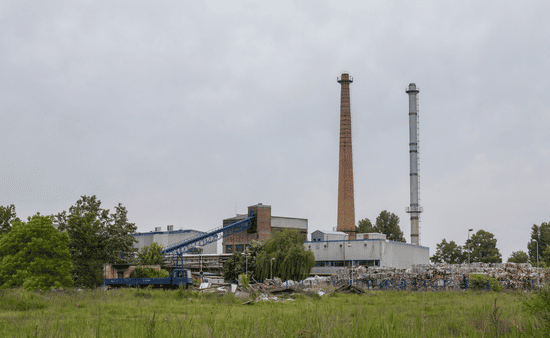
The most effective way to manage waste is to prevent its creation. Source reduction involves evaluating manufacturing processes to identify where raw materials are being lost. By optimizing production lines to reduce offcuts, leaks, or evaporation, a company can significantly lower its disposal costs and its reliance on virgin resources.
5. Upgrade to High-Efficiency Machinery
Outdated equipment is often a leading cause of excessive energy consumption and unnecessary emissions. Modernizing the facility with energy-efficient hardware is an essential step in proactive compliance.
For industrial applications requiring specialized atmospheric control, integrating high-performance OEM vacuum pumps into the system can reduce power draw and minimize mechanical oil waste. These specialized components are designed to meet strict modern standards for efficiency and durability, ensuring that the facility remains ahead of tightening energy regulations.
6. Monitor and Manage Air Emissions
Air quality standards are among the most strictly enforced environmental regulations. Proactive facilities install continuous emission monitoring systems to track pollutants in real time. This allows for immediate corrective action if levels begin to approach legal limits, preventing a minor fluctuation from turning into a major compliance failure.
7. Develop a Water Stewardship Plan

Water is an increasingly scarce resource, and regulations regarding its use and discharge are expanding. A robust plan focuses on minimizing water intake and maximizing the quality of effluent. Implementing closed-loop systems, where water is treated and reused within the facility, can drastically reduce a plant’s environmental impact and its utility expenses.
8. Transition to Sustainable Packaging
Environmental compliance often extends beyond the factory walls and into the hands of the consumer. Transitioning to recyclable, biodegradable, or reusable packaging materials helps an organization comply with extended producer responsibility laws. This also reduces the carbon footprint associated with shipping and end-of-life disposal.
9. Maintain Precise Documentation
In the eyes of a regulatory inspector, if an action was not documented, it did not happen. Proactive compliance requires a rigorous approach to record-keeping. This includes maintaining logs of waste shipments, permit renewals, equipment maintenance, and internal inspections. Digital management systems can help automate these records, ensuring they are accurate and easily accessible during an audit.
10. Engage in Continuous Improvement
The green standard is not a static destination but a process of constant refinement. Regularly reviewing the environmental management system allows a company to set new, more ambitious targets as technology evolves. By participating in voluntary certification programs, organizations can validate their efforts and demonstrate their commitment to long-term sustainability.
Conclusion
Proactive environmental compliance is a multifaceted endeavor that requires a blend of technological investment, cultural change, and administrative discipline. By moving beyond simple legal adherence and striving for a higher standard of ecological responsibility, industrial facilities can protect the planet while simultaneously future-proofing their business operations. The transition to a greener standard is an investment that pays dividends in the form of operational resilience and a sustainable future.