

The modern morning is often a race against the clock. Between professional obligations, household responsibilities, and the desire for a few extra minutes of rest, breakfast and lunch frequently become afterthoughts. When time is scarce, the temptation to rely on sugary pastries or heavy drive-thru options is high.
However, these choices often lead to a mid-morning energy crash that hinders productivity. Shifting toward a strategy of efficient, nutrient-dense meals can transform your daily performance. By focusing on portability and preparation, it is possible to maintain a high-quality diet even on your busiest days.
The Foundation of a Quick Fuel Up
A successful grab-and-go meal must balance three primary components: complex carbohydrates for sustained energy, lean protein for satiety, and healthy fats for brain function. When these elements are combined, they stabilize blood sugar levels and keep hunger at bay for hours. The key to achieving this in under five minutes is a combination of smart shopping and minimal assembly.
Portable Protein Solutions

Protein is often the hardest element to find in a hurry without resorting to processed deli meats. Hard-boiled eggs, which can be prepared in bulk at the start of the week, are an ideal portable option. Similarly, Greek yogurt cups or individual servings of cottage cheese provide significant protein with zero preparation time. For those who prefer plant-based options, edamame or pre-portioned bags of almonds and walnuts offer a quick boost of amino acids and minerals.
Complex Carbs for Longevity
Instead of refined white breads that cause insulin spikes, look for whole-grain wraps or sprouted grain breads. Overnight oats are another excellent solution for the time-crunched individual. By soaking rolled oats in a liquid of your choice with chia seeds and fruit the night before, you create a ready-to-eat meal that can be grabbed as you head out the door. The fiber in the oats ensures a slow release of energy, preventing the lethargy that follows a high-sugar breakfast.
Strategies for Afternoon Transitions
As the morning transitions into the lunch hour, the need for a quick yet substantial meal remains. Many people find themselves trapped in meetings or running errands during traditional dining times. Selecting meals that travel well and do not require reheating is essential for maintaining consistency.
High-Fiber Salads and Bowls
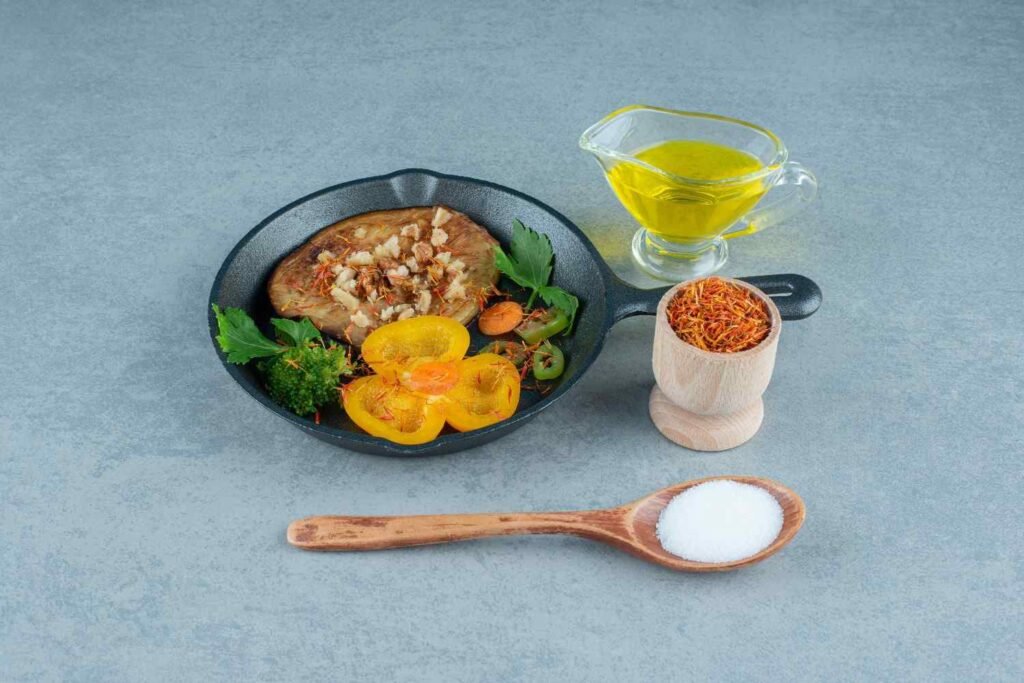
Salads made with hearty greens like kale or spinach hold up much better in a bag than delicate lettuces. Adding a base of quinoa or farro increases the caloric density in a healthy way. For those navigating a busy schedule in the suburbs of the Intermountain West, finding a nutritious midday option might mean stopping for a fresh teriyaki bowl in Saratoga Springs where steamed vegetables and lean meats provide a balanced alternative to standard fast food.
This type of meal offers the necessary micronutrients to power through the remainder of the afternoon without the heaviness of fried alternatives.
The Power of the Mason Jar
Utilizing glass jars for meal transport is a practical way to keep ingredients fresh. By placing the dressing at the very bottom, followed by sturdy vegetables like chickpeas or cucumbers, and keeping the greens at the top, you prevent wilting. This method allows you to prepare several days of lunches at once, reducing the morning decision fatigue that often leads to poor dietary choices.
Minimalist Kitchen Habits
Conclusion
A hectic schedule does not have to result in a nutritional compromise. By prioritizing protein, embracing the convenience of whole grains, and utilizing smart storage techniques, you can fuel your body effectively in a fraction of the time it takes to wait in a drive-thru line.
The 5-minute fuel up is more than a convenience; it is a commitment to maintaining your health and focus throughout the day. With a small amount of foresight, your morning routine can become a source of strength rather than a source of stress.