
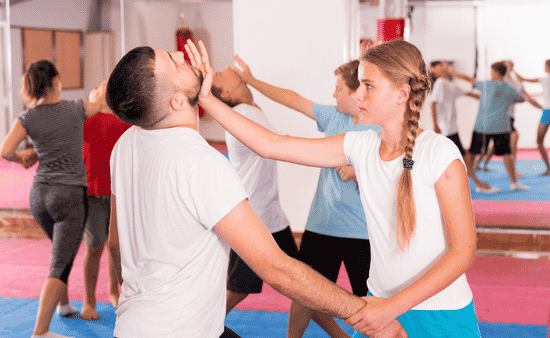
In an unpredictable world, knowing how to protect yourself is more than just a useful skill—it’s a necessity. Self-defense isn’t about living in fear; it’s about building confidence, awareness, and the ability to respond effectively when needed. Whether you’re walking home at night, traveling alone, or simply going about your daily routine, practical self-defense strategies can make all the difference.
Awareness Is Your First Line of Defense
The most powerful self-defense tool you have is your awareness. Many dangerous situations can be avoided simply by staying alert and recognizing potential threats early. Avoid distractions like excessive phone use when walking in public, and always be mindful of your surroundings.
Trust your instincts. If something feels off, it probably is. Don’t hesitate to leave a situation that makes you uncomfortable, even if it seems harmless on the surface. Being aware allows you to act before a situation escalates.
Confidence Can Deter Threats
Confidence plays a major role in personal safety. Attackers often look for individuals who appear distracted or unsure. Walking with purpose, maintaining good posture, and making brief eye contact can signal that you are alert and not an easy target.
Practicing assertiveness is also key. Use a strong, clear voice to set boundaries if someone invades your personal space. Simple phrases like “Stop” or “Back off” can be surprisingly effective in deterring unwanted attention.
Learn Basic Self-Defense Techniques
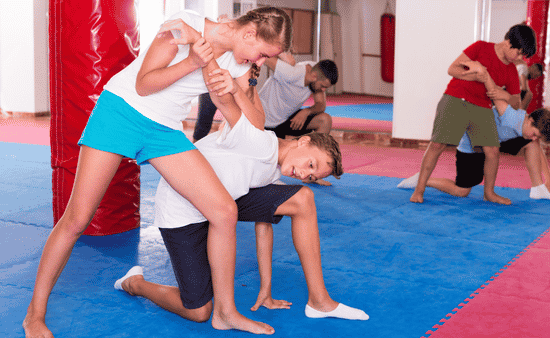
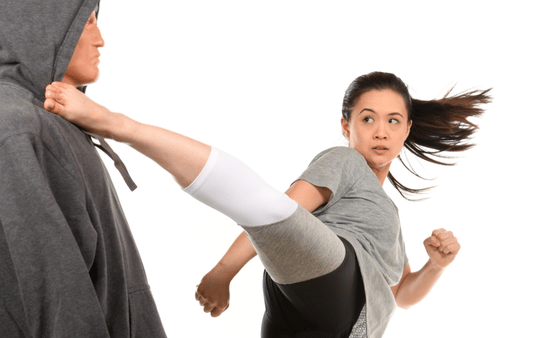
You don’t need to be a martial arts expert to defend yourself. Learning a few simple, effective techniques can help you escape dangerous situations. Focus on moves that target vulnerable areas such as the eyes, nose, throat, and groin.
The goal of self-defense is not to engage in a prolonged fight but to create an opportunity to escape. Techniques like breaking free from a wrist grab or using your body weight to push an attacker away can provide valuable seconds to get to safety.
Consider taking a self-defense class to practice these techniques in a controlled environment. Hands-on training builds muscle memory and boosts confidence.
Use Everyday Items for Protection
You don’t always need specialized tools to defend yourself. Everyday objects can be used effectively in an emergency. Items like keys, umbrellas, or even a bag can serve as defensive tools if used correctly.
That said, some people choose to carry personal safety devices such as alarms or legal self-defense tools. If you’re considering purchasing equipment for protection, it’s important to understand local laws and proper usage. For instance, individuals researching options through a firearms dealer in Jacksonville FL should ensure they receive proper training and follow all legal guidelines.
Plan Ahead and Stay Prepared
Preparation is a key component of staying safe. Before heading out, especially to unfamiliar places, plan your route and share your location with someone you trust. Keep your phone charged and easily accessible.
When possible, park in well-lit areas and avoid isolated shortcuts. If you’re using public transportation, stay near other passengers and remain aware of who is around you.
Having a plan doesn’t mean expecting danger—it simply means you’re ready to handle it if it arises.
Physical Fitness Matters
Physical strength and endurance can enhance your ability to defend yourself and escape danger. You don’t need an intense fitness routine, but maintaining a basic level of fitness can improve your reaction time and stamina.
Activities like jogging, strength training, or even regular walking can contribute to your overall readiness. Being physically capable can give you an added advantage in high-stress situations.
Stay Calm Under Pressure
In a threatening situation, panic can work against you. Training yourself to stay as calm as possible allows you to think clearly and act decisively. Controlled breathing can help reduce stress and keep your mind focused.
Practicing scenarios in your mind or through training can also help you react more effectively. The more familiar you are with potential responses, the less likely you are to freeze when it matters most.
Final Thoughts
Self-defense is about more than physical techniques—it’s a combination of awareness, preparation, and confidence. By staying alert, trusting your instincts, and equipping yourself with basic skills, you can significantly reduce your risk and feel more secure in your daily life.
Being smart and safe doesn’t require drastic changes—just consistent, mindful habits that empower you to take control of your personal safety.