
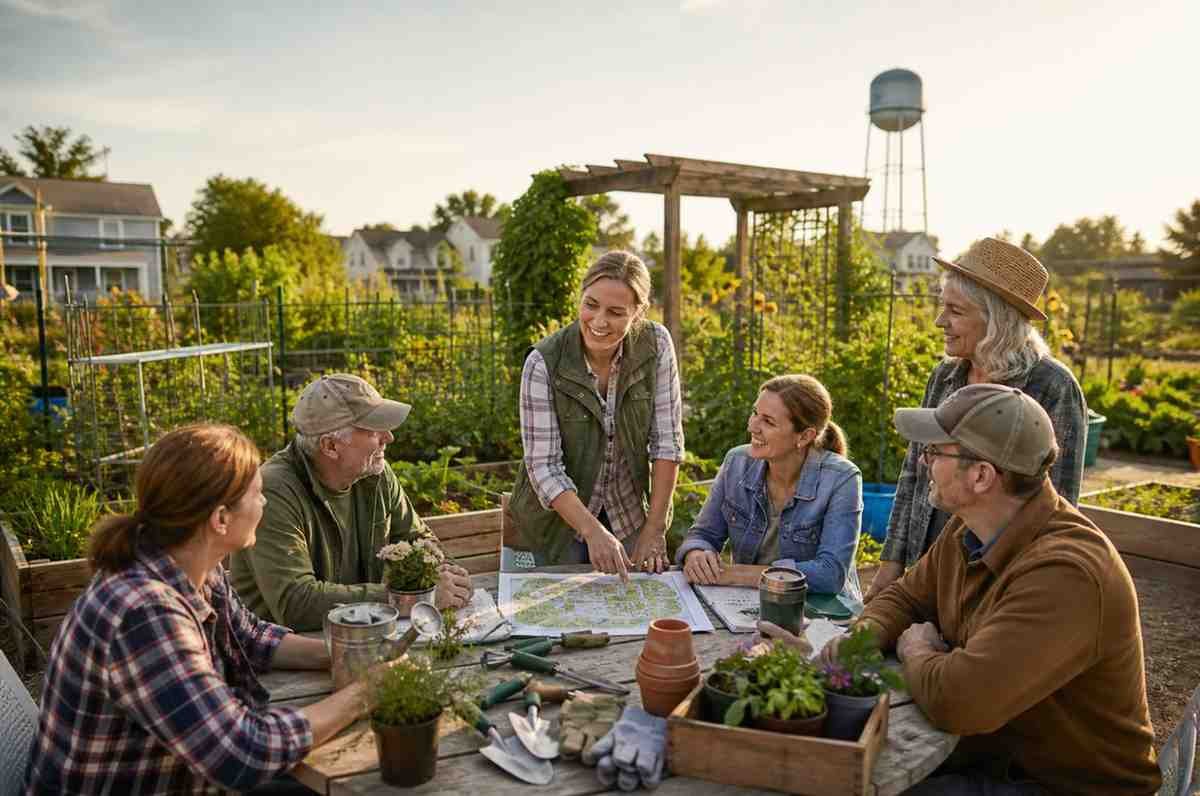
A successful community garden is rarely the result of a single person’s labor. While the initial vision might spark from an individual, the long-term sustainability of a shared green space depends on a structured leadership group. A community garden committee acts as the backbone of the project, managing everything from land leases to social disputes. Without this central nervous system, gardens often succumb to disorganization, overgrown weeds, and dwindling membership. Establishing a formal committee ensures that the burden of management is shared and that the garden remains a vibrant neighborhood asset for years to come.
Defining the Core Mission and Roles

The first step in forming a committee is to identify the specific needs of the garden. A group that is too small will suffer from burnout, while a group that is too large can become bogged down in bureaucracy. Ideally, a committee should consist of five to seven dedicated individuals with distinct responsibilities.
Essential Leadership Positions
Every committee requires a coordinator or chairperson to facilitate meetings and act as the primary point of contact for external partners like city officials or landowners. A secretary is equally vital for maintaining records, tracking membership lists, and documenting meeting minutes to ensure transparency. Additionally, a treasurer must manage the finances, overseeing membership dues and grants to keep the garden solvent.
Specialized Sub-Roles
Beyond the executive positions, specialized roles can address the physical needs of the land. A site manager oversees the irrigation systems and fence repairs, while a membership coordinator handles the waiting list and orientation for new gardeners. By dividing labor in this manner, the committee prevents any single person from becoming overwhelmed by the daily demands of the project.
Establishing Governance and Bylaws
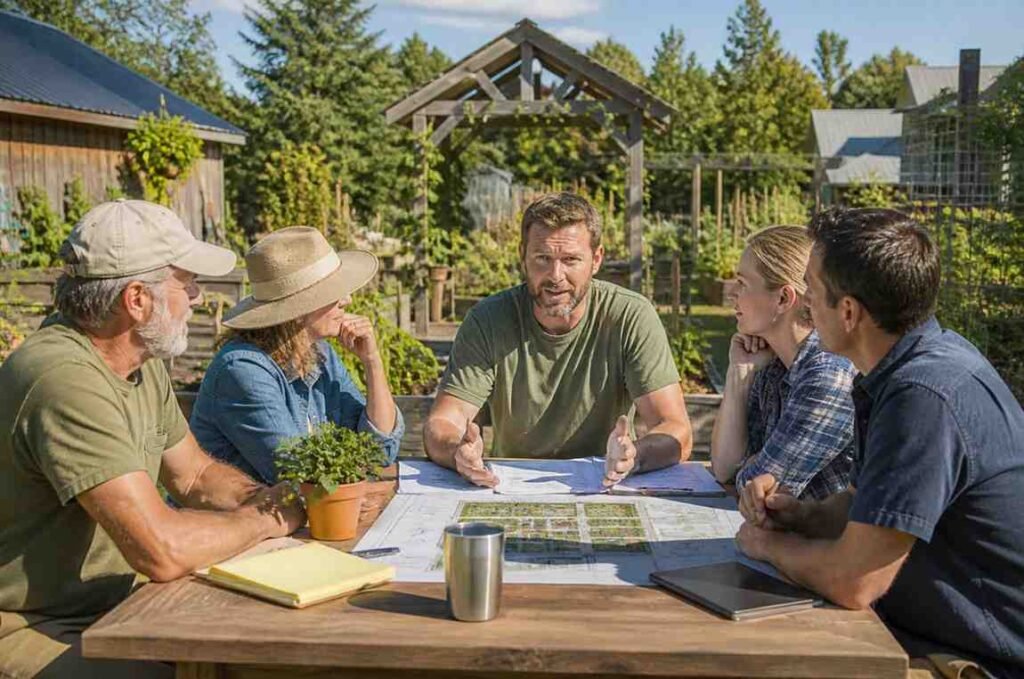
For a committee to function fairly, it must operate under a clear set of rules. Bylaws serve as the constitution of the garden, outlining how decisions are made and how conflicts are resolved. These documents should be drafted early in the process and made available to all garden members.
Voting and Decision Making
The committee must decide if it will operate through a majority vote or a consensus model. While consensus ensures everyone is heard, it can be slow. A majority vote is more efficient but requires safeguards to protect the interests of the minority. Clear rules regarding the election of committee members and the length of their terms prevent power from becoming stagnant and encourage new residents to take on leadership roles.
Membership Agreements
The committee is responsible for drafting the contract that every plot holder must sign. This agreement should cover essential topics such as organic gardening standards, weed control expectations, and volunteer hour requirements. Having these rules in writing allows the committee to enforce standards objectively, reducing the likelihood of personal friction between neighbors.
Managing Resources and Procurement
One of the primary advantages of a committee is the ability to leverage collective buying power. When a group of gardeners organizes, they can acquire supplies at a much lower cost than individuals working alone.
The committee often coordinates the purchase of shared resources such as compost, mulch, and tools. During the planning phases of the season, the group might decide to invest in bulk vegetable seeds to ensure that all members have access to high-quality, high-yield varieties at a fraction of the retail price. This centralized procurement not only saves money but also ensures that the crops grown are suited to the local climate and soil conditions. Furthermore, managing these resources through a committee ensures that materials are distributed fairly and that the tool shed remains stocked and functional.
Communication and Community Engagement

A committee must not only manage the land but also foster a sense of belonging among the members. Internal communication is the key to preventing misunderstandings. Regular newsletters, a communal bulletin board, and scheduled workdays help keep everyone informed about upcoming tasks or seasonal changes.
Hosting Meetings and Social Events
Open committee meetings allow regular gardeners to voice their concerns and contribute ideas. While the committee handles the administrative heavy lifting, the broader membership should feel like they have a stake in the garden’s future. Sharing practical knowledge, including tips for raised bed gardening, can also help new members get started more confidently and maintain healthier plots. Organizing seasonal potlucks or harvest festivals can turn a collection of individual plots into a true community.
Conclusion
Creating a community garden committee is an exercise in democracy and organization. It requires a balance of practical management skills and interpersonal diplomacy. By defining clear roles, establishing firm bylaws, and managing resources effectively, a committee provides the stability necessary for a garden to flourish. While the work of administration may not be as visible as a ripening tomato or a blooming flower, it is the essential groundwork that allows the community to grow together. A well-organized committee ensures that the garden remains a place of peace, productivity, and shared purpose for the entire neighborhood.