
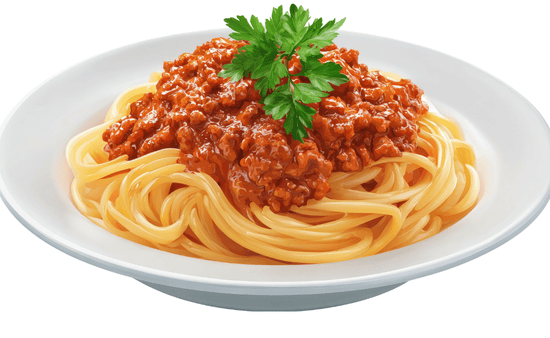
Pasta has long been a staple of Italian cuisine and a beloved dish worldwide. Its versatility and comforting qualities make it a preferred choice for many meals. However, not all pasta is created equally. Among the various manufacturing techniques, bronze die pasta stands out for its unique texture, flavour, and connection to traditional craftsmanship. This article delves into the art of bronze die pasta, emphasising its significance and the culinary experience it offers.
Understanding Bronze Die Pasta
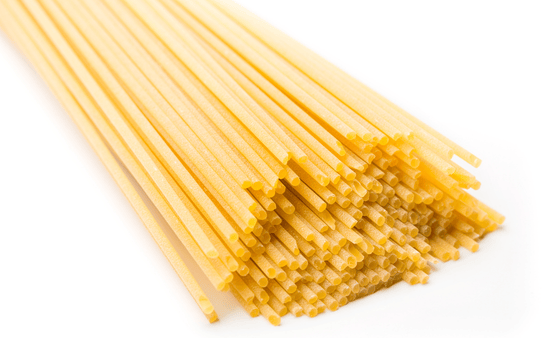
Bronze die pasta refers to pasta that is extruded through bronze moulds during its production. This method contrasts with the more common use of Teflon or other non-stick materials in modern pasta manufacturing. The process begins with dough made primarily of durum wheat semolina and water. This dough is then pressed through bronze dies that shape the pasta into various forms such as spaghetti, penne, or fusilli.
Why Bronze Dies Matter
The use of bronze dies is not merely a historical relic but a technique that imparts distinctive qualities to the pasta. Bronze dies have rough, porous surfaces, which give the pasta a slightly coarse texture. This texture is critical as it allows sauces to cling more effectively to the pasta, enhancing the overall flavour of the dish. In contrast, pasta made with smoother dies tends to have a slippery surface, resulting in less sauce adherence.
This texture effect is a primary reason why many chefs and pasta enthusiasts seek out bronze die pasta for authentic culinary experiences. The influence of die material on pasta characteristics plays a significant role in this distinction. The enhanced bite and mouthfeel reflect the care and craft invested in each piece, creating a more satisfying gastronomic journey.
The Traditional Craftsmanship Behind Bronze Die Pasta
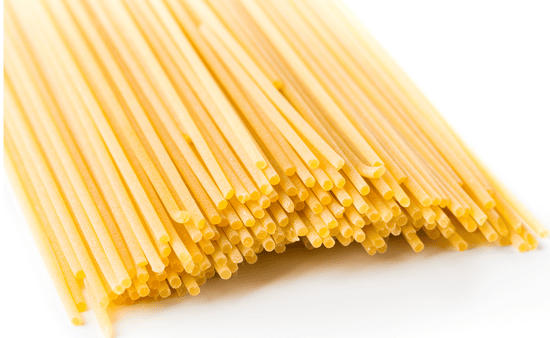
The making of bronze die pasta is often linked to artisanal methods that have remained unchanged for centuries. Small manufacturers and producers who uphold this tradition maintain rigorous standards to ensure the pasta’s quality and consistency. The bronze dies themselves require careful maintenance as they wear down over time, affecting the pasta’s texture.
Durum wheat semolina quality is another crucial factor. High-quality semolina is essential to produce pasta that maintains its firmness and texture after cooking. Some producers blend the craftsmanship of bronze die usage with premium semolina, producing pasta that exemplifies the best of tradition and modern sourcing.
Culinary Implications
When cooked correctly, bronze die pasta reaches an ideal al dente texture. This term refers to pasta that is firm to the bite yet cooked through, a characteristic highly valued in Italian cooking. The rough surface of the pasta allows it to soak up sauces more thoroughly, leading to a rich and well-rounded flavour profile in dishes.
Moreover, bronze die pasta pairs well with a variety of sauces. Whether it is a simple olive oil and garlic dressing or a hearty meat ragù, the texture ensures the sauce is distributed evenly, giving each bite balanced taste and authenticity.
Availability and Selection
Due to its artisanal nature, bronze die pasta is often considered a premium product. It is accessible through specialty food retailers and brands committed to maintaining traditional pasta-making Process. Consumers seeking quality bronze die pasta can explore curated collections from reputable producers who focus on authentic pasta craftsmanship.
For example, those interested in exploring high-quality bronze die pasta can visit stores that stock traditional Italian products and patronise brands dedicated to preserving pasta’s heritage. Such selections typically include a variety of shapes and sizes, catering to different recipes and occasions.
Example of Bronze Die Pasta Availability
A notable source for authentic, well-crafted bronze die pasta is available through Bronze die pasta, a selection that emphasises heritage pasta with tactile appeal. This range offers customers the opportunity to experience pasta that exemplifies artisanal skill combined with premium ingredient quality.
Caring for Bronze Die Pasta
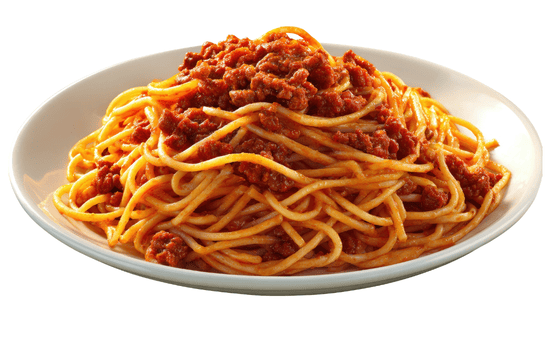
Cooking bronze die pasta requires similar techniques as other high-quality pastas but with attention paid to timing and water quality. Using ample water ensures that pasta cooks evenly and prevents sticking. It is advisable to avoid overcooking, as the unique texture of bronze die pasta is lost when it becomes too soft.
Additionally, it is common to reserve some pasta water when draining, as this starchy liquid can be added back to sauces to improve consistency, further enhancing the dish’s taste and integration.
Pairing Suggestions
Given bronze die pasta’s superior sauce adherence, it complements both light and robust sauces. Delicate applications such as simple tomato and basil sauces benefit from the enhanced flavour delivery. Similarly, creamy and cheese-based sauces like Alfredo or carbonara achieve added richness when paired with bronze die pasta.
Experimenting with regional recipes from Italy may also enhance appreciation for this pasta form. Different shapes are traditionally paired with specific sauces to produce optimal results, a principle that bronze die pasta respects and supports.
The Environmental and Economic Impact
While producing bronze die pasta may require more labour and specialised equipment than standard pasta production, it supports smaller artisanal producers and encourages sustainable practices. The commitment to quality over mass production means a reduced environmental footprint in some respects, particularly when high-quality local ingredients are used.
Supporting producers of bronze die pasta contributes to the preservation of culinary tradition and artisanal employment. Such efforts have cultural value as well, sustaining the heritage of pasta craftsmanship unique to Italy and its diaspora.
Conclusion
Bronze die pasta represents an important intersection of tradition, quality, and culinary excellence. Its distinctive rough texture, achieved through the ancient method of using bronze dies, heightens the sensory experience of eating pasta. For those who appreciate the subtleties of flavour and texture, bronze die pasta offers a genuine taste of heritage that cannot be replicated through modern mass-production methods.
By choosing bronze die pasta, consumers engage with a product that honours Italian craftsmanship and enriches mealtime experiences. Whether for personal enjoyment or professional culinary use, bronze die pasta epitomises the art of pasta-making at its finest.