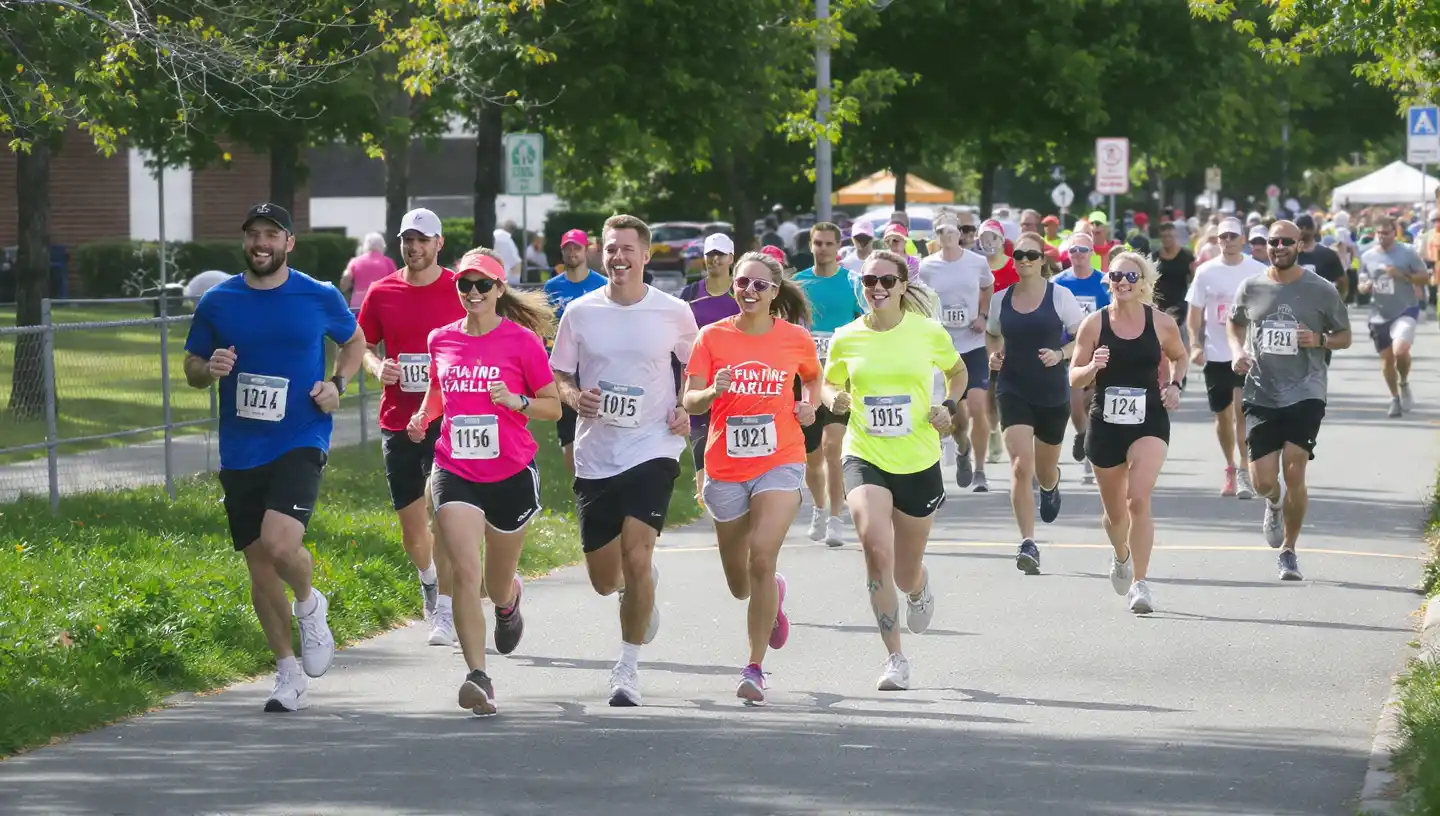
You’ve nailed the workout schedule. You’re showing up, sweating, and putting in the work three, four, maybe five days a week. So why does something still feel off? The missing piece for most active people isn’t more training. It’s everything that happens outside the gym that determines how well the inside stuff works.
Genuinely fit people don’t just exercise. They build a web of small, repeatable habits that cover recovery, routine upkeep, and whole-body maintenance. Some of those habits are obvious. Others are the kind of things nobody thinks about until something starts to slip. This guide walks you through what those habits actually look like, what the data says, and how you can start building them this week.
Why Recovery Is Now the Center of Fitness Culture
The fitness world has shifted hard. According to Trainerize’s 2025 wellness trend report, recovery is no longer an “add-on” to training. It’s a core revenue stream and a defining feature of what people look for in a fitness program. Sauna culture, cold plunges, breathwork, and structured rest days are moving from luxury spa menus into mainstream routines.
That shift makes sense when you look at the numbers. Garage Gym Reviews’ fitness habits data study found that 78% of people list overall health and wellness as a top motivator for working out, and that mental health and physical progress tied for second place, each cited by 38% of respondents. People aren’t just chasing aesthetics anymore. They want to feel better across every part of life.
Here’s the thing: you can’t out-train poor recovery. Sleep debt compounds. Chronic soreness stacks. And when your body never fully resets, the workouts that used to feel energizing start to feel like a grind.
The Habit Clusters That Actually Move the Needle

Fit people tend to cluster their habits into four broad areas. None of these are complicated. What makes them effective is consistency, not complexity.
Sleep as a Performance Input
Sleep is the single most underrated tool in any active person’s toolkit. Research cited by Noom’s exercise science team suggests that exercising consistently, particularly in the morning, may help establish long-term habits due to improved adherence. But that adherence depends heavily on what happens the night before. A consistent bedtime, a cool room, and a no-screen wind-down window aren’t soft suggestions. They’re the infrastructure your recovery runs on.
Among active people, prioritizing quality sleep is one of the most common self-care behaviors. It shows up in nearly every study on fitness habits, and for good reason: it’s free, it’s accessible, and its impact on performance, mood, and consistency is hard to overstate.
Movement That Isn’t a Workout
Daily non-exercise movement, sometimes called NEAT (non-exercise activity thermogenesis), is something high-performing active people protect fiercely. Walking between meetings. Taking the stairs. Stretching on the living room floor while watching TV. None of these count as a session, but all of them stack up.
From a recovery standpoint, light movement on rest days keeps blood flowing to sore muscle groups without adding training stress. This approach supports work life integration by making restorative activity part of a balanced routine. It’s the difference between a rest day that leaves you feeling stiff and one that actually helps you bounce back faster.
Structured Recovery Practices
Cold showers, stretching, massage therapy, sauna, breathwork, and meditation are now among the most commonly tracked recovery behaviors, signaling what researchers describe as “a shift towards more educated and sustainable fitness habits.” If you’ve been treating these as extras, it might be time to put at least one of them on your weekly calendar the same way you’d schedule a workout.
You don’t need all of them. Pick one or two that fit your life and your budget. Even a 12-minute post-workout stretch routine done three times a week is a meaningful place to start.
Whole-Body Maintenance Appointments
This is the habit cluster most active people ignore the longest. Workouts stress your body in ways that require more than foam rolling. Regular checkups, body assessments, and professional appointments keep small issues from turning into forced rest weeks.
That maintenance mindset extends to your mouth, too. Jaw tension, grinding (especially common in people who train hard and carry stress), and oral hygiene all connect to overall physical well-being in ways that aren’t always obvious. If you’ve been putting off a checkup, a good dentist falls church va can be part of that broader maintenance routine, the same way a sports massage or a physiotherapy session is.
What the Data Says: A Snapshot of Fitness Self-Care in 2025
| Self-Care or Recovery Habit | Adoption Among Active Adults | Primary Benefit Reported
|
|---|---|---|
| Prioritizing quality sleep | Top habit among exercisers | Recovery speed, mood, performance |
| Spending time with friends / community | Second most common self-care activity | Mental well-being, accountability |
| Cold showers or ice baths | Rapidly growing, especially post-workout | Inflammation reduction, alertness |
| Sauna sessions | Mainstream in gym culture by 2025 | Muscle recovery, stress reduction |
| Stretching and mobility work | Among the most tracked recovery behaviors | Injury prevention, range of motion |
| Meditation or breathwork | Growing, driven by mental health focus | Cortisol reduction, focus |
| Professional body maintenance (massage, PT, dental) | Increasing as part of holistic care | Issue prevention, sustained output |
Sources: CivicScience 2025 Fitness Trends, Trainerize Wellness Trends 2025, The National / Whoop recovery data 2026.
The Mindset Shift That Makes All of This Click
“Fitness should be about positive self-care and empowerment, not punishment.” — Oksayan, cited in Men’s Journal’s 2025 Fitness Trends Report
That framing matters more than it sounds. The active people who burn out aren’t necessarily training harder than everyone else. They’re training without replenishing. They treat every input as a deposit (the workout, the supplement, the PR attempt) and skip the withdrawals (the sleep, the rest day, the professional care appointment).
Shifting your mental model to treat self-care as a performance input, not a luxury, is what separates people who maintain their fitness for years from those who cycle through intense bursts and long breaks.
A Practical Checklist: Building Your Whole-Body Maintenance Routine
You don’t need to overhaul your life. You need to add one thing at a time until the habits stack themselves. Here’s a simple checklist to work from:
- Sleep window: Set a consistent bedtime that gives you 7 to 9 hours. Protect it on weekdays and weekends.
- Morning hydration: Drink a full glass of water before coffee. Your body is dehydrated after several hours of sleep, and muscles feel it.
- Daily non-workout movement: At least 20 minutes of walking, stretching, or light activity on rest days.
- Weekly recovery session: Pick one: sauna, cold shower protocol, full-body stretch session, or massage. Book it like a workout.
- Monthly body check-in: Note how joints feel, where soreness lingers, and any recurring tightness patterns. These are early warning signals.
- Quarterly professional appointments: A physical, a dental cleaning, or a session with a sports physio. Maintenance is cheaper than repair.
- Social recovery: Shared workouts, group runs, or simply spending time with people you like. Community is a documented recovery tool, not a soft bonus.
The Part About Showing Up Consistently
Motivation gets you started. Habit infrastructure keeps you going. The people who maintain real fitness across years and decades aren’t superhuman. They’ve built a routine where the self-care happens automatically, because it’s scheduled, expected, and treated as non-negotiable.
You probably already have a workout routine. The goal is to build an equally strong routine around everything that supports it. Sleep, movement, recovery, and maintenance appointments aren’t competing with your training time. They’re multiplying it.
Start with the checklist above. Pick one item you’re not currently doing and do it consistently for two weeks before adding another. That’s it. No dramatic overhaul. Just one new habit at a time, repeated until it’s automatic.
The gym gets you strong. Everything else keeps you there.