

Understanding why wrinkles form gives you a real advantage. Rather than guessing which serums or creams might work, you can make evidence-based decisions about skincare and lifestyle habits that genuinely slow the process down. This post breaks down the science of skin aging—from the proteins that keep your skin firm to the daily habits that either protect or accelerate those changes.
What Your Skin Is Actually Made Of
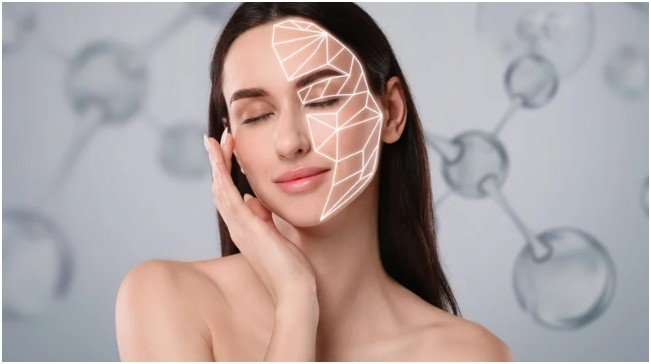
To understand wrinkles, you first need to understand what keeps skin smooth in the first place. Human skin has three primary layers: the epidermis (outer layer), the dermis (middle layer), and the hypodermis (deepest layer). Most of the structural action happens in the dermis.
Two proteins in particular are responsible for the skin’s youthful appearance: collagen and elastin.
Collagen: Your Skin’s Scaffolding
Collagen is the most abundant protein in the human body, and it acts as the structural framework for your skin. It keeps skin firm, plump, and resistant to sagging. The problem? Starting in your mid-20s, collagen production naturally declines at a rate of roughly 1% per year. By the time you’re in your 40s or 50s, the cumulative loss becomes visible.
Elastin: Your Skin’s Flexibility
Elastin does exactly what its name suggests—it allows skin to stretch and then snap back into place. When you smile or frown, elastin ensures your skin returns to its original position. As elastin fibers break down over time, skin becomes less resilient. Repeated movements begin to etch themselves permanently into the surface.
Together, the degradation of collagen and elastin is the foundation of wrinkle formation. But several factors influence how quickly this process unfolds.
Why Wrinkles Form: The Primary Causes

Aging is inevitable, but not all wrinkles are created equal. Some result from internal biological processes, while others are driven by external, largely preventable factors.
UV Exposure
Ultraviolet radiation from the sun is the single greatest external cause of premature skin aging—a process known as photoaging. UV rays penetrate the skin and trigger the production of enzymes called matrix metalloproteinases (MMPs), which break down collagen fibers. Repeated sun exposure compounds this damage over the years and decades.
UV radiation also generates free radicals—unstable molecules that attack healthy skin cells and accelerate the deterioration of elastin. This explains why people who spend significant time in the sun without protection tend to develop deeper, more pronounced wrinkles earlier than those who don’t.
Repetitive Facial Expressions
Every time you smile, squint, or furrow your brow, your facial muscles contract and fold the skin above them. When skin is young and elastin is abundant, it bounces back easily. Over time, as elastin weakens, those folds stop fully recovering. The result: expression lines that begin as dynamic wrinkles (visible only during movement) and gradually become static wrinkles (visible at rest).
Crow’s feet, forehead lines, and the faint creases around the mouth are all classic examples of expression-related wrinkles.
Chronological Aging
Beyond any external factor, time itself changes skin at the cellular level. As the body ages, skin cells divide more slowly, the dermis thins, and the skin’s ability to retain moisture diminishes. Oil glands become less active, reducing natural lubrication. These changes mean the skin has less capacity to repair itself from daily damage—and wrinkles accumulate faster.
External Factors That Speed Things Up

Beyond sun exposure and aging, several lifestyle and environmental factors significantly affect how quickly skin loses its elasticity.
Smoking
Cigarette smoke introduces thousands of toxic chemicals into the body, many of which destroy collagen and elastin. Nicotine also narrows blood vessels in the outer layers of skin, reducing blood flow and depriving skin cells of oxygen and nutrients. Smokers consistently develop deeper wrinkles earlier—particularly around the mouth and eyes—compared to non-smokers of the same age.
Air Pollution
Particulate matter and environmental pollutants generate free radicals on the skin’s surface, triggering oxidative stress that degrades collagen. Long-term exposure to high levels of air pollution has been associated with increased skin pigmentation and the earlier onset of nasolabial folds and forehead lines.
Diet and Nutrition
What you eat shows up on your skin. A diet high in refined sugars drives a process called glycation, where sugar molecules bind to collagen proteins and make them rigid and brittle, less able to maintain skin’s structural integrity. On the flip side, a diet rich in antioxidants (fruits, vegetables, nuts, and fatty fish) helps neutralize free radical damage, boost your immunity system and supports skin repair.
Chronic dehydration also takes a toll. Skin that lacks adequate moisture looks duller and more lined, even if the underlying structural damage is minimal.
Science-Backed Methods to Slow Skin Aging

The good news: the same science that explains why wrinkles form also points toward effective strategies for slowing them down.
Retinoids
Retinoids—derivatives of Vitamin A—are among the most thoroughly studied topical skincare ingredients available. They work by stimulating collagen production, accelerating cell turnover, and improving skin texture over time. Prescription-strength retinoids (tretinoin) produce the strongest results, while over-the-counter retinol formulas offer a gentler, more accessible starting point.
Consistency matters here. Retinoids typically require several weeks of regular use before visible improvements appear.
Antioxidants
Antioxidants protect the skin by neutralizing free radicals before they can damage collagen and elastin. Vitamin C is particularly effective—it not only combats oxidative stress but also plays a direct role in collagen synthesis.
Incorporate a balanced diet in your daily routine because the diet affects your mood and over all health including hair and skin. Vitamin E and niacinamide are other commonly used topical antioxidants with strong supporting research.
Applying a Vitamin C serum in the morning before sunscreen creates a layered defense against both UV radiation and environmental pollution.
Daily SPF
No skincare routine is complete without sun protection. Broad-spectrum SPF 30 or higher, applied every morning (yes, even on cloudy days), is the single most evidence-backed preventive measure against photoaging. Reapplication every two hours during sun exposure is equally important.
Think of SPF as the most cost-effective anti-aging product available—far cheaper and more effective than trying to reverse UV damage after the fact.
Advanced Treatments and Lasting Habits
For those looking to go beyond a daily skincare routine, several professional and lifestyle-based options can produce meaningful results.
Professional Treatments
- Chemical peels remove the outer layer of damaged skin, triggering new cell growth and improving texture.
- Laser resurfacing stimulates collagen production by delivering controlled thermal energy into the dermis.
- Microneedling creates micro-injuries in the skin that trigger the body’s natural collagen repair response.
- Botox injections in Ogden temporarily relax the facial muscles responsible for expression lines, reducing their appearance.
Each of these treatments works through a different mechanism, but they share a common principle: stimulating the skin’s own regenerative processes.
Lifestyle Habits That Compound Over Time
Professional treatments deliver faster results, but sustainable habits form the foundation of long-term skin health. A few key practices make a measurable difference:
- Sleeping on your back reduces compression wrinkles caused by pressing your face into a pillow night after night.
- Staying consistently hydrated supports skin barrier function and overall cellular health.
- Managing chronic stress matters more than most people realize—elevated cortisol levels accelerate collagen breakdown.
- Getting adequate sleep allows the skin to enter its natural repair cycle, when collagen synthesis is most active.
These habits won’t reverse existing wrinkles, but they significantly slow down the formation of new ones—particularly when started early.
Conclusion
Wrinkles are a normal part of aging, but that doesn’t mean they have to progress faster than necessary. While you don’t need a 12-step routine to make a difference, a few habits can significantly slow down the formation of new wrinkles. These include UV protection, collagen-supporting ingredients, and a healthy diet.