
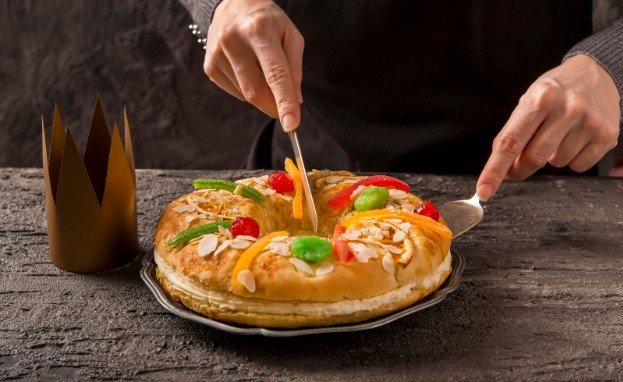
I’ve always believed that the best way to understand a place is through its food. Over time, I found myself planning trips around restaurants, flavors, and culinary experiences rather than landmarks. That shift is exactly why I rely on a Michelin star travel food guide when deciding where to go next. It turns travel into something deeper, more intentional, and honestly, more memorable.
This kind of travel is not just about luxury dining. It is about discovering culture through taste, understanding regions through ingredients, and building an experience that stays with you long after the trip ends.
Why Michelin Star Dining Changes The Way You Travel
When I started exploring destinations through Michelin recommendations, I noticed how different my trips felt. Instead of rushing through attractions, I slowed down and built my itinerary around meals. Michelin-starred restaurants bring precision, storytelling, and local identity into every dish. But what makes it even more powerful is how these restaurants reflect the culture around them.
From coastal seafood towns to urban fine dining hubs, each place tells a different story. It also pushes you to explore places you might otherwise overlook. Some of the best meals I have had were in cities I had never initially considered visiting.
Best Cities For Michelin-Level Food Experiences
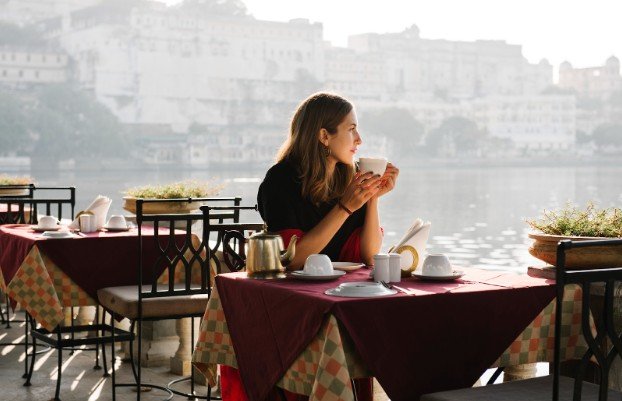
Certain destinations consistently stand out when planning food-focused travel. I always look for cities where the culinary scene is both diverse and deeply rooted in local traditions. Paris remains a classic for refined techniques and timeless cuisine. Tokyo offers unmatched precision and variety, often blending tradition with innovation.
New York stands out for its global flavors, while cities like San Francisco and Chicago bring creativity and local sourcing into the spotlight. What I personally look for is balance. A great destination is not just about high-end restaurants but also about how those experiences connect with everyday food culture.
How To Build A Travel Plan Around Food
Planning a trip this way requires a slightly different mindset. I start by researching destinations based on Michelin coverage and then narrow down restaurants that align with my taste and budget. Reservations are one of the most important steps. Many Michelin-starred spots fill up weeks or even months in advance.
I always secure key bookings first and then build the rest of the itinerary around them. I also leave room for spontaneity. Not every meal needs to be fine dining. Mixing high-end experiences with casual local spots creates a more balanced and enjoyable trip.
Beyond Fine Dining: Exploring Local Food Culture
One of the biggest lessons I learned is that Michelin is not just about luxury. The guide also highlights more accessible options that still deliver incredible quality. Markets, small family-run spots, and regional specialties often become the highlight of the trip.
I make it a habit to explore neighborhoods, talk to locals, and try dishes that are not always listed in guides. This approach adds depth to the experience. It connects the structured Michelin recommendations with the real, everyday food culture of a destination.
What To Know Before Booking Michelin Restaurants
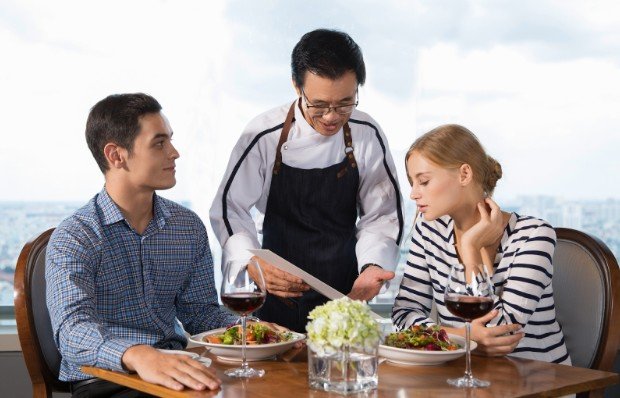
Before making reservations, I always check a few practical details. Dress codes can vary, and some places expect a certain level of formality. Timing also matters, especially in cities where dining hours differ from what you might be used to. Budget planning is another key factor. Michelin dining can range from relatively affordable to extremely high-end.
How To Follow A Michelin Star Travel Food Guide (Step-By-Step)
First, I choose a destination based on its food reputation and Michelin presence. I look for cities that offer a mix of styles, from traditional to modern. Next, I shortlist restaurants that match my preferences. I consider cuisine type, pricing, and overall experience rather than just star ratings.
Then, I secure reservations early. This step is crucial because popular spots fill quickly, especially during peak travel seasons. After that, I build the rest of the itinerary around those reservations. I plan nearby attractions and activities so everything flows naturally. Finally, I keep flexibility in the schedule. Leaving space for unexpected discoveries often leads to the most memorable experiences.
Mistakes To Avoid When Planning Food-Focused Travel
One mistake I made early on was overbooking restaurants. Trying to fit too many fine dining experiences into a short trip can become overwhelming. Another common issue is ignoring local food culture. Relying only on high-end recommendations can make the experience feel limited.
I also learned not to underestimate travel time between reservations. Planning realistically helps avoid stress and allows you to fully enjoy each meal.
Frequently Asked Questions
1. Is a Michelin star travel food guide worth it for beginners?
Yes, it simplifies decision-making and helps you identify high-quality dining options quickly. It is especially useful if you are new to food-focused travel.
2. Do I need a big budget for Michelin travel?
Not necessarily. While some restaurants are expensive, there are also more affordable options that still offer exceptional quality.
3. How far in advance should I book restaurants?
I usually book at least a few weeks ahead, but for popular destinations, booking months in advance is often necessary.
4. How do I use a Michelin star travel food guide effectively?
Focus on balancing top-rated restaurants with local food experiences. This creates a more complete and enjoyable travel plan.
A More Meaningful Way To Travel Through Food
Over time, I realized that food has the power to shape how I experience a destination. Following a Michelin star travel food guide helped me slow down, explore more intentionally, and connect with places in a deeper way.
It is not just about chasing stars or checking off famous restaurants. It is about building a journey that feels personal, thoughtful, and memorable. Every trip becomes less about where I go and more about how I experience it.