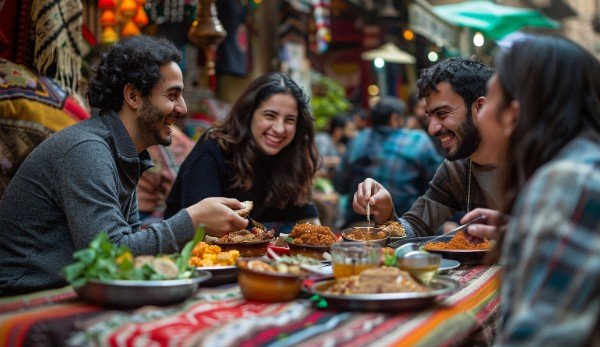
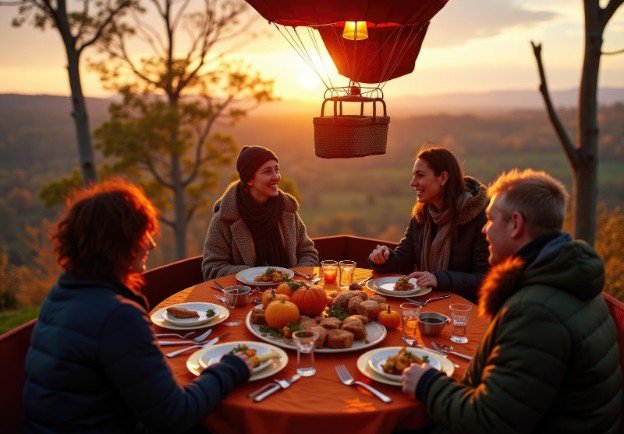
I’ve noticed that some trips fade quickly, while others stay with me for years. The difference often comes down to how connected I feel to the place—and nothing creates that connection faster than food that actually belongs there. That’s why I keep coming back to Farm-to-table travel experiences when I want a trip to feel real instead of routine.
Instead of chasing crowded attractions, I plan my days around local farms, markets, and small restaurants. A morning at a berry farm, lunch at a countryside café, and dinner made with ingredients harvested the same day changes everything. The pace slows down, and the trip starts to feel intentional.
Why Do These Trips Feel So Different From Regular Food Travel?
The biggest shift for me is that the experience begins before I even sit down to eat. I might visit a farm, walk through a market, or talk to someone who actually grew the ingredients. That adds depth to the meal.
Regular food travel often focuses on trending spots or famous dishes. This approach feels different because it connects food to place, season, and culture. I don’t just remember what I ate—I remember where it came from and why it mattered.
What Makes This Style of Travel So Appealing?
I like that it feels both relaxed and meaningful at the same time. I don’t need a packed itinerary to feel like I had a great trip. A simple day with a market visit, a scenic drive, and one unforgettable meal can feel more fulfilling than a schedule full of rushed stops.
It also supports local communities in a direct way. Spending at farms, small producers, and locally focused restaurants makes the experience feel more grounded. It’s travel that gives back while still feeling indulgent.
Which Destinations Work Best for This Kind of Experience?

Some places naturally make this style of travel easy. Regions known for wine, agriculture, or strong seasonal food traditions usually offer the best mix of activities.
I’ve found that vineyard regions, orchard towns, coastal areas with fresh seafood, and smaller countryside destinations often deliver the most authentic experiences. These places tend to have strong local identities, which makes every meal feel unique.
How Do I Plan Farm-to-Table Travel Experiences Without Overcomplicating It?
I always start with the season. That one decision simplifies everything. If it’s apple season, I look for orchard regions. If it’s summer, I focus on places known for markets and fresh produce.
Once I choose the timing, I keep the schedule light. I plan one main experience per day, like a farm visit or a special meal, and leave space around it. That flexibility makes the trip feel natural instead of rushed.
My Simple Planning Routine
First, I choose a region known for its local food culture. Then I look for places to stay near markets or rural dining spots. After that, I check menus online to see if they actually reflect seasonal ingredients.
Finally, I add a few small stops like a creamery, a roadside stand, or a vineyard. These simple additions often become the highlight of the trip because they feel unplanned and real.
What Should a Well-Balanced Itinerary Include?
I’ve learned not to build everything around dinner reservations. A good day usually mixes food with simple experiences like walking, driving, or exploring small towns.
I try to vary the setting too. One meal in town, another in the countryside, and maybe one near water keeps the trip interesting. Even when the food follows the same philosophy, the atmosphere changes the experience.
How Can I Tell If a Place Is Truly Local?
I look for details. Restaurants that mention specific farms, rotate menus based on seasons, or highlight fresh ingredients usually feel more authentic.
How Can I Shape the Trip Around My Travel Style?
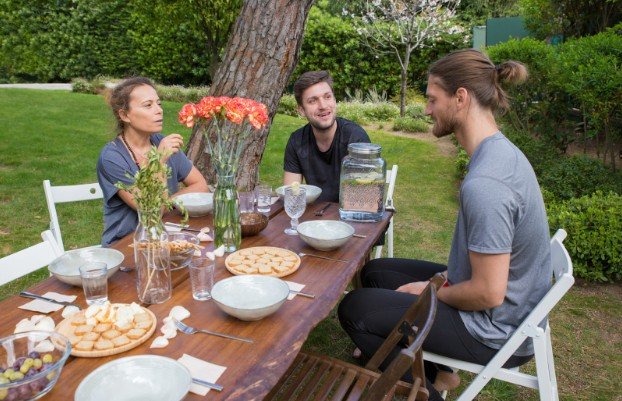
This is what I enjoy most—this type of travel adapts easily. If I want a romantic trip, I focus on cozy stays and relaxed meals. If I’m traveling with family, I look for farms, casual dining, and outdoor spaces.
If I want rest, I plan fewer stops and longer meals. If I want more energy, I add markets and short drives. That flexibility makes Farm-to-table travel experiences feel personal instead of fixed.
How-To Plan a Farm-to-Table Travel Experience Step by Step
I start by choosing the right season because it determines what will be fresh and available. Then I pick a destination known for its local food culture so the experience feels authentic. Next, I book a place to stay close to farms, markets, or countryside dining spots. This reduces travel time and keeps the trip relaxed.
After that, I choose one meaningful experience per day, such as a farm visit or a special meal. I avoid overbooking because this type of travel works best when there’s space to explore. Finally, I stay open to small discoveries. Sometimes the best moments come from an unplanned stop at a roadside stand or a quiet local café.
Frequently Asked Questions
1. What are farm-to-table travel experiences?
Farm-to-table travel experiences focus on enjoying food that comes directly from local farms, markets, and producers, creating a deeper connection to the destination.
2. Are these trips suitable for short getaways?
Yes, I’ve found that even a two- or three-day trip works well. A few thoughtful experiences can make a short trip feel complete.
3. Do I need to plan everything in advance?
Not always. I usually book one or two key experiences and leave the rest flexible. That balance keeps the trip stress-free.
A More Meaningful Way to Travel
I keep returning to this style of travel because it changes how I experience a place. I don’t feel rushed, and I don’t feel like I missed out. Instead, I feel connected—to the food, the people, and the rhythm of the destination.
When I slow down and plan around local ingredients and simple experiences, the trip naturally becomes more memorable. If you want travel to feel less generic and more personal, this approach makes it surprisingly easy.