I always feel like a trip becomes more memorable when I connect it to food, and France makes that incredibly easy. Some places are famous for scenery, some for history, and some for shopping, but France has a way of turning dessert into part of the whole travel experience. From elegant pastries in Paris to buttery specialties in Brittany, every stop can feel sweeter.
What I love most is that dessert in France is not just about eating something sugary after dinner. It is part of the culture, the rhythm of the day, and the identity of each region. Once I started planning bakery visits the same way I planned museums and neighborhoods, my trips felt richer, more local, and much more fun.
Why Do French Desserts Feel So Special When You Travel?
French desserts stand out because they carry a sense of place. A macaron in Paris, a kouign-amann in Brittany, or a tarte tropézienne on the Riviera does not just taste good. It also tells you something about the region, the ingredients people love there, and the traditions they have kept alive.
I also think presentation changes the experience. In France, even a simple pastry often looks polished and intentional. That makes a quick bakery stop feel like part of the trip rather than a random snack. It turns a short break into a small travel memory.
Another reason these desserts feel special is accessibility. You do not need a luxury reservation every time you want something memorable. A neighborhood pâtisserie, a market stall, or a family-run bakery can easily become one of the highlights of the day.
Which French Desserts Should You Try First?
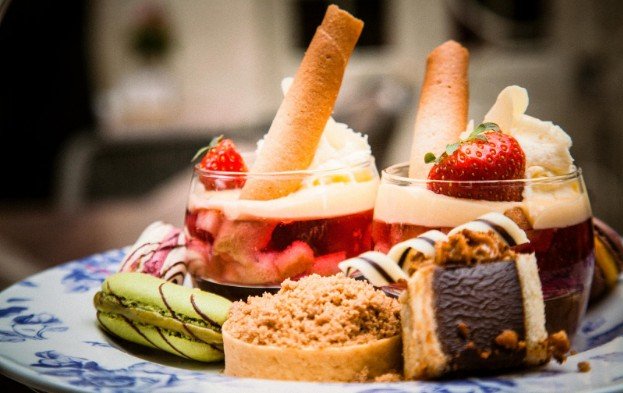
If I had to narrow it down, I would start with the classics that give you a strong feel for French pastry culture. Macarons are usually the first thing many travelers recognize, and for good reason. They are colorful, delicate, and easy to sample in more than one flavor without committing to one huge dessert.
Crème brûlée is another must because it gives you that balance of creamy custard and crisp caramelized sugar on top. It is simple, but when it is done well, it feels unforgettable. I also think éclairs deserve a spot high on the list because they are rich, elegant, and easy to find in great pastry shops.
Then there are desserts that feel more rooted in specific places. Tarte Tatin brings a deep caramelized apple flavor that feels warm and classic. Mille-feuille offers texture and richness in every bite. And if you want something truly travel-worthy, kouign-amann gives you that buttery, flaky depth that instantly makes you understand why Brittany is proud of it.
How does best desserts in France travel Get Better by Region?
One of the smartest ways I plan a dessert-focused trip is by thinking regionally instead of treating France like one giant pastry case. Paris gives you prestige, variety, and famous pâtisseries, but other parts of the country often give you more distinct local identity. That is what makes best desserts in France travel feel more rewarding when you look beyond the obvious.
In Brittany, I would focus on kouign-amann, crêpes, and far breton. These desserts often feel rustic, buttery, and deeply tied to local ingredients. In Provence and along the Riviera, lighter and more fragrant sweets often stand out, especially desserts featuring fruit, cream, or floral notes.
Alsace, Normandy, and the southwest also bring their own signatures. Apple desserts, custards, cakes, and tarts change from one area to the next, and that variety gives the trip more dimension. Instead of repeating the same pastry every day, I get to build a dessert trail that feels connected to the map.
Where Should You Go for the Best Bakery Experience?
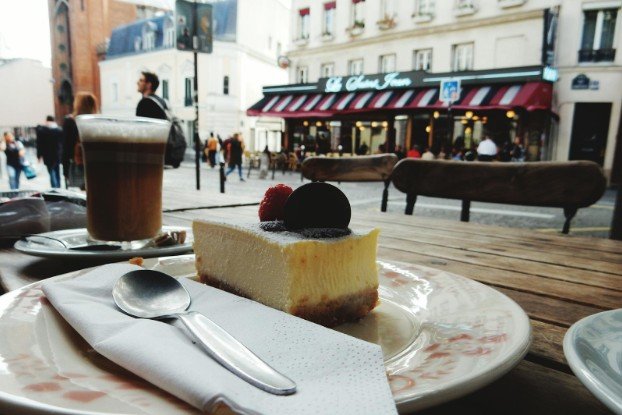
I always look for neighborhoods with active local food culture instead of only chasing famous names. Big-name pastry shops can be wonderful, but smaller neighborhood bakeries often give a more relaxed and authentic experience. The line is shorter, the atmosphere feels more local, and the desserts are often fresher because regular residents depend on that shop.
Morning is usually my favorite time for bakery visits. The selection feels fuller, the display cases look their best, and the day still feels open. I can grab a pastry, sit at a nearby café, and turn breakfast into part of my sightseeing rhythm.
It also helps to balance iconic stops with spontaneous discoveries. I might choose one famous place for a signature dessert, but I leave room for the bakery I happen to pass after a museum or while wandering through a quiet street. Those unplanned finds often become my favorites.
What Are the Most Travel-Worthy Desserts Beyond Paris?
Tarte tropézienne is another dessert I would actively seek out if I were heading south. It has a soft, indulgent quality that feels ideal for a coastal itinerary. Canelés from Bordeaux are also worth chasing because their dark caramelized exterior and custardy middle create a texture that feels distinct from most pastries travelers try first.
This is where the best desserts in France travel becomes more than a simple food list. It turns into a way of choosing cities, shaping day trips, and adding personality to the journey. The more region-specific the dessert, the more memorable the travel experience usually feels.
How Do I Plan a Dessert-Focused Trip Without Overdoing It?
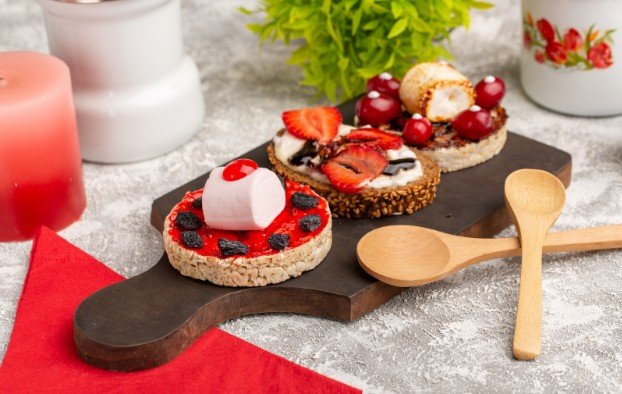
I like to treat dessert stops like anchors in the day rather than constant snacking. One bakery in the morning and one dessert after dinner is usually enough to keep the experience exciting without making every meal feel heavy. That also leaves room for savory dishes, markets, and regional specialties.
I also share desserts whenever possible. Splitting items lets me try more without getting overwhelmed. This works especially well in places known for pastry because I would rather taste three excellent specialties than overfill myself on one.
Walking helps too, and France makes that easy. If I plan neighborhoods, museums, river walks, and market visits around my sweet stops, the day stays balanced and enjoyable. Dessert becomes part of the route instead of the whole plan.
How To Build Your Own Dessert Route Through France
First, choose two or three regions instead of trying to cover everything. A focused route gives you a better chance of enjoying local specialties without feeling rushed. Paris plus one or two regional stops usually works better than trying to squeeze in every famous city at once.
Next, research one signature dessert for each destination before you leave. That gives the trip a fun structure. You are not just visiting cities. You are collecting flavors, textures, and bakery experiences connected to each place.
Then, leave room for flexibility. Some of the best dessert moments happen because I wandered into a small shop with no plan at all. A route should guide the trip, not trap it. Finally, pace yourself. A good dessert tasting menu itinerary feels exciting, not exhausting. When I give each stop enough time, I enjoy the place more and remember the sweets more clearly too.
Frequently Asked Questions
1. What is the best starting point for best desserts in France travel?
Paris is the easiest place to begin because it offers famous pâtisseries, classic desserts, and plenty of neighborhoods where bakery-hopping feels natural. After that, I would add one regional stop for more local flavor.
2. Which French dessert is best for first-time travelers?
Macarons, éclairs, and crème brûlée are great starting points because they are easy to find and instantly recognizable. They give you a broad introduction to French dessert culture.
3. Is it better to visit famous pastry shops or local bakeries?
I think the best approach is both. Famous shops give you iconic experiences, while local bakeries often feel more relaxed, affordable, and authentic.
4. Can I plan a whole trip around desserts in France?
Yes, and it can be a very fun way to travel. Regional sweets, bakery culture, and walkable neighborhoods make France ideal for a dessert-themed itinerary.
A Sweeter Way to See France
I honestly think dessert is one of the best ways to understand France on a deeper level. It adds texture, ritual, and local character to a trip in a way that feels fun instead of forced. When I build a journey around markets, bakeries, and regional specialties, the experience feels more personal and memorable.
If I were planning again, I would not treat sweets as an extra. I would treat them as part of the itinerary from the start. That is what makes a food-focused trip feel richer, and it is exactly why this kind of travel stays with me long after I get home.