
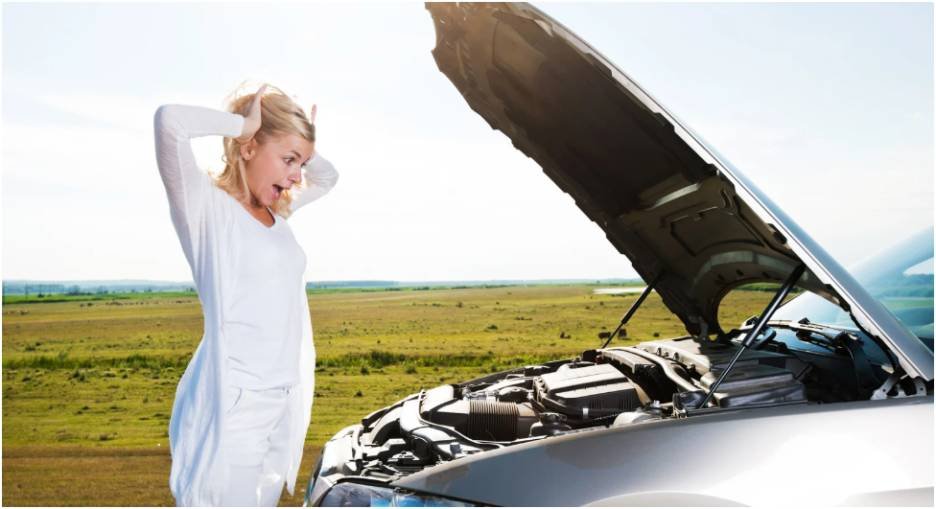
Every driver knows the feeling of starting their vehicle and noticing something isn’t quite right. Maybe it is a faint squeal as you turn a corner, a mysterious drop of fluid on the driveway, or a persistent glow from the dashboard.
It is tempting to turn up the radio and hope the issue resolves itself. Ignoring these early warning signs often leads to severe mechanical failures and hefty repair bills
Warning Lights: Decoding Your Dashboard

Your dashboard is the first line of defense against catastrophic vehicle failure. Modern cars are equipped with numerous sensors that monitor everything from tire pressure to engine timing. When a warning light illuminates, your car is actively asking for help.
The Check Engine Light
This is the most notorious dashboard warning. It can indicate a minor issue like a loose gas cap or a major problem like a failing catalytic converter. If the light is solid, you should schedule a diagnostic appointment soon. If the light is flashing, pull over immediately and call a tow truck, as continuing to drive could destroy the engine.
Oil Pressure and Temperature Warnings
An illuminated oil can symbol means your vehicle is losing oil pressure. Without proper lubrication, engine parts will quickly grind together and fail. Similarly, the temperature gauge (or thermometer icon) indicates the engine is overheating. Driving an overheating car can warp the cylinder head and cause irreversible damage.
Strange Noises: What Is Your Car Trying to Tell You?
Vehicles naturally make noise, but new or aggressive sounds are a clear sign of trouble.
Squealing and Grinding
A high-pitched squeal when you apply the brakes usually means your brake pads are wearing thin. If that squeal turns into a harsh grinding sound, the pads are completely worn away, and the metal calipers are gouging your rotors. Under the hood, a squealing noise upon startup often points to a worn or loose serpentine belt.
Clunking and Tapping
If you hear a heavy clunking sound when driving over bumps, your suspension system likely needs attention. Worn struts, shocks, or ball joints compromise your ability to steer effectively. A rhythmic tapping or clicking noise from the engine bay might indicate low oil levels or a problem with the valvetrain.
Performance Issues: When Your Car Feels “Off”
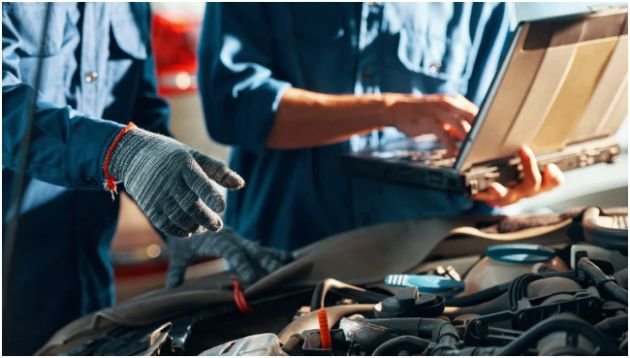
You know how your car normally handles. A sudden drop in performance is a strong indicator that a vital system is struggling to function.
Sluggish Acceleration
If you press the gas pedal and the vehicle hesitates, you might be dealing with a clogged fuel filter, a failing fuel pump, or dirty fuel injectors. Spark plugs that are past their prime can also cause a noticeable lack of power and reduced fuel efficiency.
Rough Idling and Stalling
A car that shakes or sputters while stopped at a red light is suffering from a rough idle. This can be caused by vacuum leaks, faulty oxygen sensors, or ignition coil issues. If the car stalls completely, you are facing a severe safety hazard that needs immediate diagnosis.
Fluid Leaks: Identifying Their Significance
Your car relies on various fluids to operate safely. Spotting a puddle under your parked vehicle means a seal, gasket, or hose has failed.
Oil and Coolant
Engine oil is typically dark brown or black and feels slick to the touch. An oil leak can originate from the valve cover gasket or the oil pan. Coolant, which prevents the engine from overheating, is usually bright green, pink, or orange. It has a sweet smell and a watery consistency. A coolant leak often points to a damaged radiator or a failing water pump.
Transmission and Brake Fluid
Transmission fluid is reddish-brown. If your car is leaking this fluid, you might soon experience slipping gears or delayed shifting. Brake fluid is clear or slightly yellow and feels oily. A leak here is a critical emergency, as a loss of brake fluid will result in a total loss of braking power.
Exterior Damage: More Than Just Aesthetics
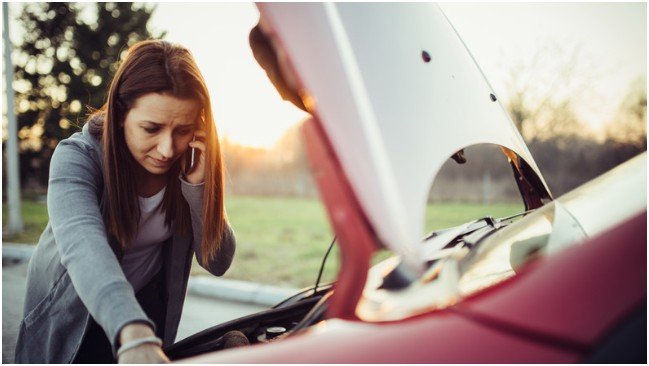
While most mechanical problems happen out of sight, exterior issues can also impact your safety. Damage to your vehicle’s body or glass should not be brushed aside.
A small rock chip on your front window might seem harmless, but temperature changes and driving vibrations will quickly cause it to spread into a massive crack. A damaged windshield compromises the structural integrity of the roof during a rollover accident and obscures your vision.
Prompt windshield replacement, such as those offered in Tooele, is crucial to maintaining your safety on the road. Additionally, broken headlights or taillights drastically reduce your visibility and make it difficult for other drivers to anticipate your movements.
Braking Problems: A Matter of Safety
Your brakes are the most important safety feature on your vehicle. Any change in how they respond requires immediate investigation.
Spongy or Soft Pedal
If the brake pedal goes all the way to the floor with little resistance, there is likely air in the brake lines or a fluid leak. This requires an immediate inspection, as your stopping distance is severely compromised, especially if you have a rigorous travel schedule.
Vibrations and Pulling
Feeling a vibration or pulsation through the steering wheel when you brake usually indicates warped rotors. If the car pulls sharply to the left or right when braking, you might have a stuck brake caliper or unevenly worn brake pads.
Tire Troubles: More Than Just a Flat
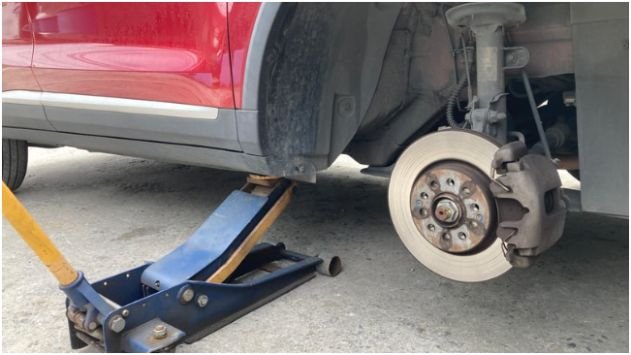
Tires are your only contact point with the road. Their condition dictates how well your car accelerates, turns, and stops.
Uneven Tread Wear
If the inside or outside edge of your tire is wearing down faster than the rest, your wheels are out of alignment. Cupping or scalloping patterns on the tread point to worn suspension components. Replacing the tires without fixing the underlying suspension or alignment issue will just ruin your new set of tires.
Low Pressure and Bulges
Driving on underinflated tires reduces fuel economy, increases braking distance, and builds up dangerous heat that can cause a blowout. Inspect the sidewalls for any bubbles or bulges. A bulge indicates the internal structure of the tire has failed, and the tire is at imminent risk of bursting.
Conclusion
Keep an eye out for dashboard warnings, listen for strange noises, and address leaks immediately to prevent minor issues from becoming major repairs using affordable auto financing services. Regular maintenance like oil changes, tire rotations, and brake checks is crucial. If your car shows signs of trouble, don’t wait. See a trusted mechanic to keep your vehicle safe and reliable for the road ahead.