
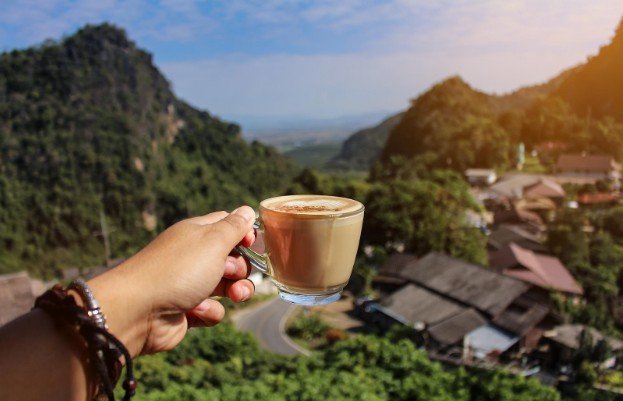
I used to build trips around landmarks, shopping streets, and whatever restaurant happened to trend first. That changed the moment I started planning around coffee. Once I began choosing places where I could visit farms, sit in historic cafés, and learn how locals roast, brew, and serve their daily cup, travel felt more personal and far more memorable.
What I love most is that coffee gives every destination a built-in story. One place introduces you to mountain-grown beans and slow farm life. Another teaches you that café culture is really about conversation, ritual, and pace. That is why I keep returning to coffee tourism destinations when I want a trip to feel richer, slower, and more connected to the place itself.
What Makes A Coffee-Focused Trip So Worth It?
For me, the biggest difference is depth. A coffee-centered trip is never just about ordering a drink and moving on. I get to understand where the beans come from, who grows them, how climate shapes flavor, and why certain brewing methods matter so much to local identity.
It also makes planning easier. Instead of building an itinerary around random stops, I can organize the whole trip around farm visits, roasteries, neighborhood cafés, food markets, and walkable areas with strong local character. That creates the kind of travel days I actually enjoy.
Another reason I love this style of travel is that it works for different budgets. You can go all in on plantation stays and guided tastings, or you can keep it simple with self-guided café hopping, local bakeries, and one well-chosen tour. Either way, coffee gives the trip a strong theme.
Which Places Deliver The Best Coffee Travel Experience?

Some places stand out because they connect the bean to the landscape so clearly. Colombia is one of my favorites for that reason. The coffee-growing regions feel immersive from the moment you arrive. You can tour working farms, learn how cherries are processed, and drink coffee where it was grown, often with mountain views that make the experience even better.
Ethiopia feels different in the best possible way. The experience is rooted in ceremony, hospitality, and history. I would choose it for travelers who want culture first and coffee second, even though the coffee itself is exceptional. The ritual around the drink is what stays with you.
Italy belongs on the list for a completely different reason. It is not about farms in the same way. It is about cafe rhythm, espresso standards, and understanding how coffee fits into daily life. A quick stop at a standing bar can teach you as much about local culture as a museum visit.
Vietnam also deserves serious attention. I recommend it to anyone who wants something lively, bold, and a little unexpected. The coffee culture feels energetic and creative, with drinks that are strong, sweet, and tied closely to street life.
How Do I Choose The Right Destination For My Travel Style?
I always start with the kind of experience I want. If I want scenery, farm visits, and a slower pace, I look for rural coffee regions. If I want culture, architecture, and café hopping, I choose cities with strong daily coffee rituals. That one decision shapes the whole trip.
I also think about whether I care more about origin or service. Some travelers want to see how coffee is grown, picked, processed, and dried. Others want the best cafés, signature drinks, and neighborhood food culture. Both are great, but they create very different itineraries.
When I recommend coffee tourism destinations to friends, I tell them not to chase the most famous name first. I tell them to chase the experience they will actually enjoy. A farm stay sounds romantic until you realize you really wanted a stylish city cafe trip with great pastries and easy walking.
What Should I Plan Before Booking A Coffee Trip?

The smartest thing I do is map the trip around neighborhoods, not just countries or cities. I want to know where the strongest café clusters are, how far the farms are from the airport, and whether I need a car to make the trip worthwhile. That step saves me from building an itinerary that looks good online but feels exhausting in real life.
I also check the harvest season, local weather, and how far in advance tours need to be booked. Some farm visits are casual and flexible, while others fill early because they include transport, guided tastings, and meals. I never assume I can just show up.
Food matters too. The best coffee trips are never only about coffee. I always pair cafés with bakeries, markets, regional breakfast spots, and slow lunch stops. That balance makes the trip feel full instead of repetitive.
How I Build A Coffee Trip Without Wasting Time Or Money
First, I pick one anchor experience. That might be a farm tour, a cupping session, or a historic café district. Once I have that, I build the rest of the itinerary around nearby food spots and one or two flexible free blocks. That keeps the trip focused.
Then I set a simple daily rhythm. Morning for a signature café, mid-day for one cultural stop, afternoon for a roastery or market, and evening for a neighborhood meal. That structure gives me enough variety without draining the fun out of the trip.
This is also where coffee tourism destinations become more than a trend for me. They become a practical travel framework that makes every day feel intentional.
What Mistakes Do I Avoid On Coffee-Centered Trips?
The biggest mistake is treating the trip like a checklist. If every stop is about getting a photo or saying you visited a famous café, you miss the whole point. I try to pay attention to service style, local etiquette, roasting preferences, and how residents actually use the space.
Another mistake is ignoring logistics. Some of the best farms are not easy day trips from major tourist areas. I always double-check travel time, transportation, and whether language support is available on tours. That prevents expensive last-minute scrambling.
I also avoid drinking coffee nonstop without pacing myself. Water, food, and slower scheduling matter more than people think. A great coffee trip should feel energizing, not overwhelming.
Frequently Asked Questions
1. Are coffee tourism destinations good for first-time international travelers?
Yes, especially if you choose a place with a strong visitor infrastructure, clear transportation options, and a mix of cafés and guided experiences. I think city-and-café combinations are often easier for first-timers than remote plantation-heavy itineraries.
2. Is a coffee trip expensive?
It does not have to be. I have planned affordable coffee-focused trips by choosing walkable neighborhoods, limiting paid tours to one signature experience, and mixing specialty cafés with local spots that offer great value.
3. How many days do I need for a coffee-focused getaway?
I think three to five days works well for one city or one coffee region. That gives you enough time for a farm or roastery visit, a few memorable cafés, and some breathing room to enjoy the destination without rushing.
A Better Way To Travel For The Taste And The Story
I keep coming back to this style of travel because it gives me something more than a packed itinerary. It gives me a way to understand a place through its land, habits, flavors, and people. When I plan around cafés, farms, and local rituals, the trip feels layered and personal instead of generic.
That is why I believe the best coffee tourism destinations are not just good for coffee lovers. They are good for travelers like me who want every stop to feel more meaningful, more grounded, and far more memorable.